




What's Happening?
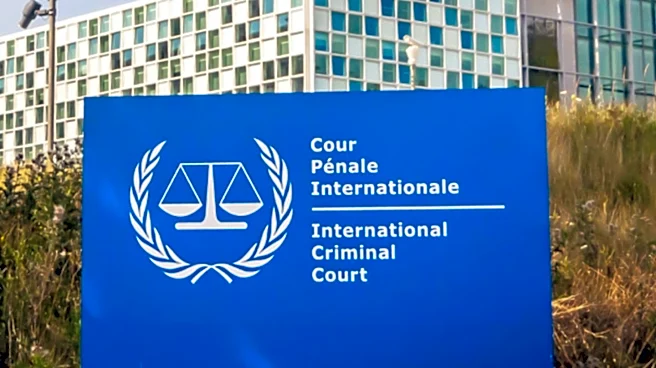
The International Chamber of Commerce (ICC) arbitration tribunal has issued a 616-page final award concerning the Mambilla Hydroelectric Power Project dispute, making significant findings against former Attorney-General of the Federation and Minister
of Justice, Abubakar Malami, and flagging a $500,000 transfer to Jennifer Douglas, then-wife of former Vice-President Atiku Abubakar. The tribunal concluded that Malami deliberately acted against Nigeria's interest, maintained an inappropriate relationship with Leno Adesanya, promoter of Sunrise Power and Transmission Company Limited, and participated in a corrupt deal related to settlement agreements. The tribunal rejected Sunrise's claims against Nigeria, ruling that settlement agreements signed by Malami and former Minister of Power, Saleh Mamman, were not binding due to lack of presidential approval and were unenforceable as products of corruption. The tribunal also ordered Sunrise and Adesanya to reimburse Nigeria $11.82 million in legal fees and $414,125 in arbitration costs. Regarding the $500,000 payment made in January 2003 to Douglas's Citibank account in the United States, the tribunal found Adesanya's explanation of it being a foreign-exchange transaction for Atiku lacked sufficient documentary evidence and contained inconsistencies.
Why It's Important?
This ruling by the ICC tribunal has significant implications for international arbitration, particularly concerning allegations of corruption and the conduct of government officials in large-scale infrastructure projects. The tribunal's findings underscore the importance of transparency and proper authorization in government contracts, especially those involving substantial public funds. The rejection of settlement agreements due to lack of presidential approval and findings of corruption highlight the risks associated with unauthorized dealings and the potential for legal and financial repercussions for nations. For the U.S., while the case directly involves Nigerian officials and entities, it reinforces the global commitment to combating corruption in international business dealings, which can affect U.S. companies operating abroad and the integrity of the international financial system. The flagging of the $500,000 transfer to a U.S. account also brings attention to the role of international financial institutions in monitoring suspicious transactions and the potential for cross-border investigations into illicit financial flows.
What's Next?
Following the ICC tribunal's award, the political landscape in Nigeria is likely to see increased scrutiny and debate, especially concerning the conduct of former officials and the implications for future presidential elections. The All Progressives Congress (APC) has already called for Atiku Abubakar to withdraw from the 2027 presidential race based on the tribunal's findings, while Atiku has challenged the APC to provide specific evidence of his indictment. This political clash is expected to intensify as both sides leverage the tribunal's report for their respective agendas. Legally, Nigeria stands to recover a significant portion of its legal fees and arbitration costs from Sunrise and Adesanya. The findings against former Attorney-General Malami could also lead to further investigations or legal actions within Nigeria regarding his conduct. The case may also serve as a precedent in future international arbitration cases involving allegations of corruption and lack of proper governmental authorization.
Beyond the Headlines
Beyond the immediate financial and political ramifications, this case delves into deeper issues of governance, accountability, and the rule of law in international business. The tribunal's detailed examination of the former Attorney-General's conduct, including WhatsApp exchanges and his reversal of opinion regarding the project promoter, paints a disturbing picture of potential conflicts of interest and abuse of power. The refusal of a high-ranking official to testify before an international tribunal, despite being present in the same city, raises ethical questions about transparency and cooperation in legal proceedings. The flagging of the $500,000 transfer, even without a direct finding of bribery against Atiku Abubakar, highlights the persistent challenge of tracking and verifying the legitimacy of large financial transactions, especially when they involve politically exposed persons and offshore entities. This case underscores the complex interplay between national politics, international arbitration, and the global fight against corruption, revealing how deeply intertwined these elements can be in major development projects.