



What's Happening?
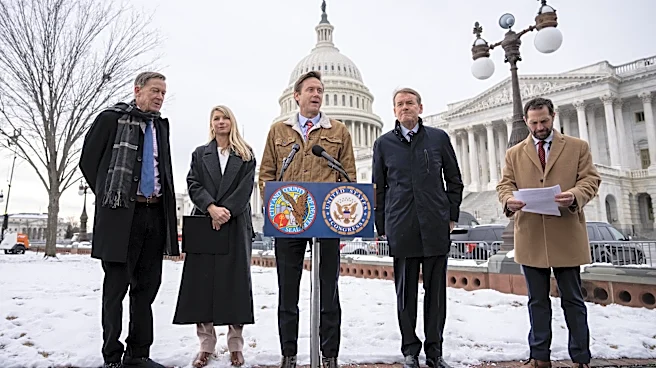
The National Police Association (NPA) is advocating for the U.S. House of Representatives to pass the Fighting Post-Traumatic Stress Disorder Act of 2025 (S. 825). This bipartisan legislation, introduced by Senator Chuck Grassley (IA), aims to enhance
access to mental health treatment for police officers and other first responders. The Senate already passed S. 825 by voice vote on June 10, 2026. The bill mandates the Department of Justice (DOJ) to propose at least one treatment and preventative care option for job-related post-traumatic stress disorder (PTSD) and acute stress disorder (ASD). These options would emphasize evidence-based care, peer support, professional counseling, and family support. The Attorney General, in collaboration with the Director of the Office of Community Oriented Policing Services (COPS), would submit a report to the Senate and House Judiciary Committees, incorporating input from law enforcement agencies, police families, and other stakeholders. The proposal also seeks to establish confidentiality protections and efficient delivery systems to make mental health support readily available to state and local agencies.
Why It's Important?
This legislation is crucial for addressing the significant mental health challenges faced by U.S. law enforcement officers and first responders. PTSD and ASD are reportedly two to four times more prevalent in police officers than in the general population, yet these numbers are likely underreported due to stigma and fears of career repercussions. Many police agencies lack the budget for mental health professionals trained in advanced techniques, creating a gap in available support. A DOJ program, as proposed by this act, could bridge this gap and reduce barriers to treatment. By providing confidential and accessible mental health resources, the bill aims to improve the well-being of those who serve in high-stress environments, potentially leading to better retention rates, reduced substance abuse, and a decrease in feelings of despair among officers. This initiative acknowledges the unique psychological toll of their profession and seeks to provide them with the support they deserve.
What's Next?
The immediate next step is for the U.S. House of Representatives to schedule a vote on the Fighting Post-Traumatic Stress Disorder Act of 2025 (S. 825). If passed by the House, the bill would then proceed to the President for signature to become law. Should it be enacted, the Department of Justice, in conjunction with the Office of Community Oriented Policing Services, would be tasked with developing and proposing treatment and preventative care options. This process would involve gathering input from various stakeholders, including law enforcement agencies and police families, to ensure the proposed solutions are comprehensive and effective. The focus would be on establishing confidentiality protections and efficient delivery systems to ensure that mental health support is accessible and utilized by state and local agencies.
Beyond the Headlines
The potential passage of this act signifies a broader societal recognition of the mental health crisis among first responders, moving beyond traditional views of law enforcement as solely physically resilient. It highlights an evolving understanding of occupational hazards to include psychological trauma. This legislation could set a precedent for similar initiatives in other high-stress professions, fostering a culture where seeking mental health support is destigmatized and integrated into professional care. Ethically, it underscores the responsibility of the state to care for those who protect its citizens, acknowledging the profound personal sacrifices made. Culturally, it could contribute to a shift in how mental health is perceived within law enforcement, encouraging open dialogue and proactive intervention rather than silence and suffering. The long-term implications could include a healthier, more stable, and more effective first responder workforce across the nation.