








What's Happening?
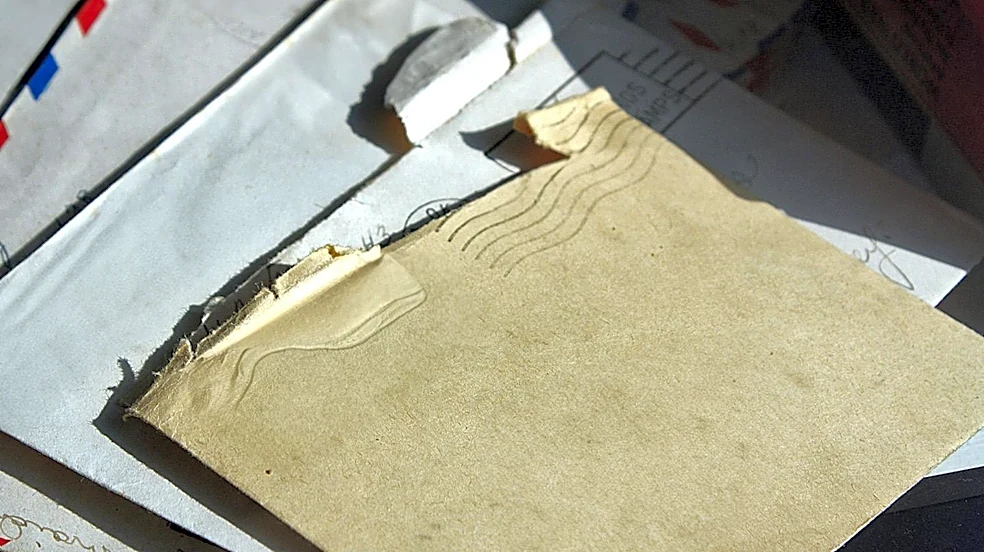
U.S. Senator Ron Johnson's Milwaukee office received a suspicious envelope at 2:38 p.m. CT. The return address on the envelope matched those sent to other congressional and state offices across the nation. Upon discovery, Senator Johnson's staff immediately
isolated the envelope, evacuated all personnel, and contacted 911 and the Sergeant at Arms. First responders subsequently confiscated the letter, and all staff members were confirmed safe. Following the incident, office operations have resumed as normal. Authorities have not yet identified the sender of the suspicious mail, nor have they determined if the same individual or group is responsible for similar incidents targeting elected officials and election managers in other states. U.S. Rep. Mark Pocan and U.S. Sen. Tammy Baldwin also reported receiving suspicious letters, suggesting a broader pattern of targeting elected officials in Wisconsin.
Why It's Important?
This incident highlights a growing concern regarding the safety and security of elected officials and their staff, both in Wisconsin and across the United States. The coordinated nature of these suspicious mailings, indicated by the matching return addresses, suggests a potential organized effort to disrupt government operations or intimidate public servants. Such events can create an atmosphere of fear and uncertainty, potentially impacting the ability of legislative offices to function effectively and serve their constituents. The involvement of the FBI and the U.S. Postal Inspection Service underscores the seriousness with which these threats are being treated, reflecting a broader national security interest in protecting democratic institutions from potential harm or undue influence. The repeated targeting of various lawmakers could also lead to increased security measures and protocols for congressional offices nationwide.
What's Next?
The FBI and the U.S. Postal Inspection Service are actively investigating the suspicious mailings. Their investigation will focus on identifying the individual or group responsible for sending these letters and determining their motives. Authorities will also work to ascertain if the incidents in Wisconsin are indeed connected to similar occurrences reported in other states. Depending on the findings, there could be increased security advisories or enhanced mail screening procedures implemented for government offices. Law enforcement will likely continue to monitor for further suspicious activities and may issue public warnings or guidance if a credible threat is identified. The ongoing investigation aims to ensure the safety of public officials and maintain the integrity of governmental operations.
Beyond the Headlines
The recurring nature of suspicious mail incidents targeting elected officials points to a deeper societal issue concerning political discourse and potential extremism. While no hazardous materials have been found in the Wisconsin incidents so far, the act of sending suspicious mail itself can be a form of psychological warfare, designed to create fear and sow discord. This trend could reflect a broader erosion of civility in political interactions and an increase in individuals or groups resorting to non-conventional, and potentially illegal, means to express grievances or exert pressure. The long-term implications could include a chilling effect on public service, making it less appealing for individuals to enter politics due to perceived safety risks, and potentially leading to more isolated and less accessible government officials, thereby widening the gap between constituents and their representatives.