




What's Happening?
The Regional Transportation Commission (RTC) of Washoe County is conducting a series of three public workshops this week to gather resident input on street safety concerns in Reno. These drop-in sessions, scheduled from Tuesday through Thursday, aim to collect
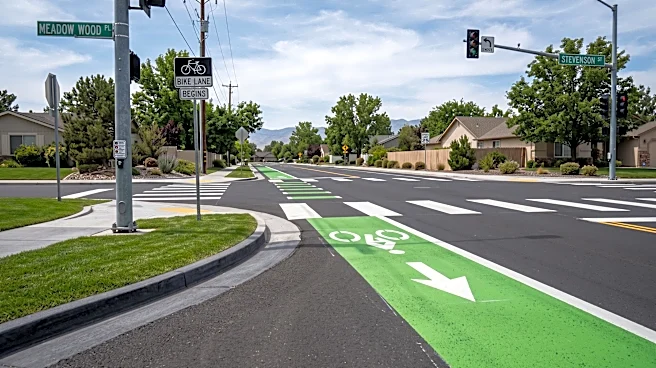
feedback on areas needing safer crossings, improved bike routes, and other enhancements for walking, biking, and traffic safety within neighborhoods. The workshops are part of two ongoing RTC planning efforts: the Neighborhood Network Plans, which focus on making walking and biking safer across 12 Washoe County neighborhoods, and the Safer Streets Corridor Study, which examines specific corridors in northwest and east Reno. Marquis Williams, RTC senior transportation planner, emphasized the importance of community feedback, stating that it directly shapes design plans and provides crucial insights beyond traffic data.
Why It's Important?
These workshops are vital for ensuring that future transportation infrastructure improvements in Reno accurately reflect the needs and concerns of its residents. By directly engaging the community, the RTC can identify specific problem areas and prioritize projects that will have the most significant impact on daily safety and accessibility for pedestrians, cyclists, and drivers. This participatory approach can lead to more effective and widely supported urban planning decisions, fostering a sense of ownership and trust between the public and local government. Improved street safety can reduce accidents, encourage active transportation like walking and biking, and enhance the overall quality of life in Reno neighborhoods, contributing to healthier communities and potentially reducing traffic congestion.
What's Next?
The feedback collected during these workshops will be analyzed by the RTC and directly integrated into the ongoing Neighborhood Network Plans and the Safer Streets Corridor Study. This input will inform the design and implementation phases of various street improvement projects across Washoe County. Residents can expect to see proposed designs and plans that reflect their concerns in future public presentations or documents. Following the planning phase, the RTC will move towards securing funding and scheduling the construction or implementation of these safety improvements. Continued community engagement will likely be sought as projects progress, ensuring that the final outcomes align with the initial feedback and evolving needs of the neighborhoods.
Beyond the Headlines
The RTC's initiative highlights a broader trend in urban planning towards community-centric development, recognizing that local residents are often the best source of information regarding their immediate environment. This approach can lead to more sustainable and equitable urban infrastructure, as it considers the diverse needs of all road users, not just motorists. Furthermore, by promoting safer walking and biking routes, the RTC is indirectly supporting public health initiatives and environmental sustainability by encouraging alternatives to vehicle use. The success of these plans could serve as a model for other municipalities looking to enhance urban mobility and safety through direct citizen participation, fostering a more inclusive and responsive governance model in transportation planning.