


What's Happening?
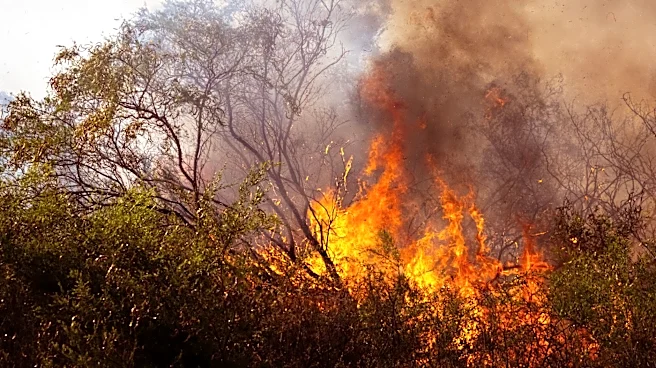
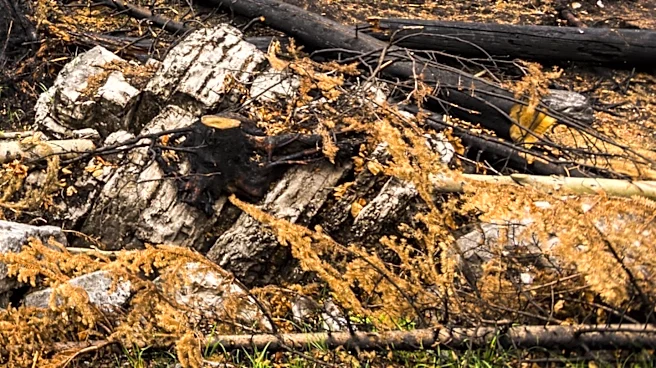
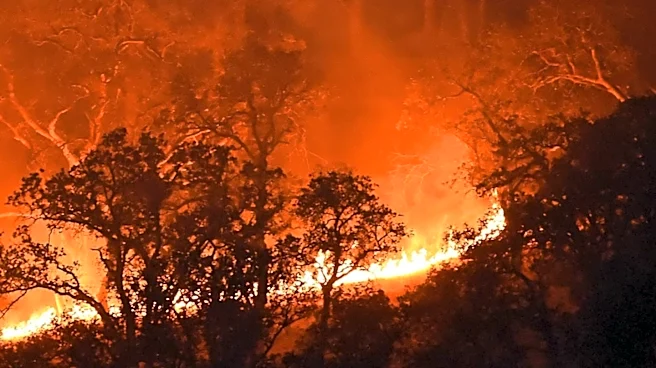
Representative Bruce Westerman, a Republican from Arkansas, has emphasized the importance of forestry management in preventing catastrophic wildfires. During a visit to the site of Utah's Cottonwood Fire, which has burned over 97,000 acres, Westerman highlighted
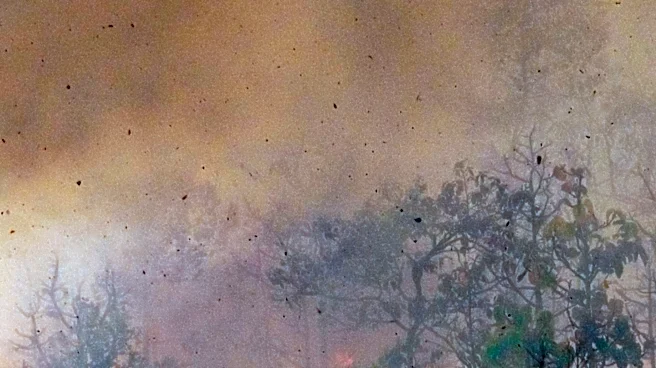
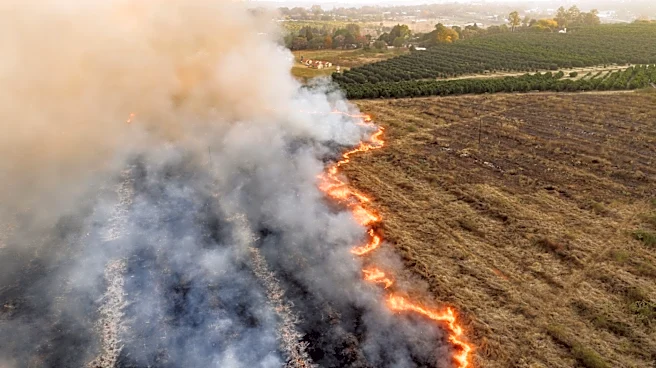
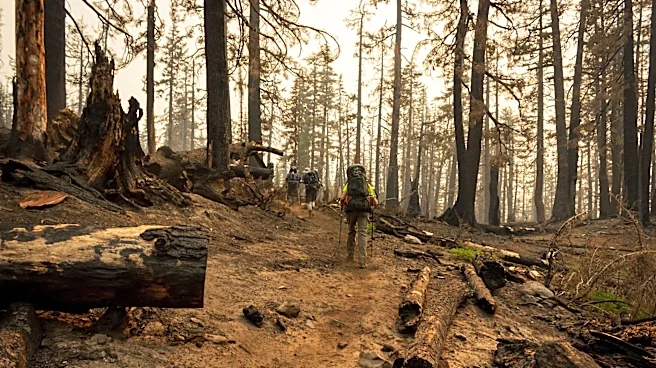
the need for thinning forests and controlled burns to reduce fuel for fires. However, experts like Dominik Kulakowski from Clark University argue that traditional methods may be less effective due to climate change, which is causing hotter and drier conditions. These conditions have been linked to more severe wildfires, as noted by the National Oceanic and Atmospheric Administration. The Cottonwood Fire, which started on June 22, 2026, is a prime example of the challenges faced in managing wildfires under these new climate conditions.
Why It's Important?
The increasing frequency and intensity of wildfires pose significant risks to communities, ecosystems, and economies in the Western United States. Effective forestry management is crucial to mitigating these risks, but the changing climate complicates traditional prevention strategies. The debate over how best to manage forests highlights the need for innovative approaches to adapt to these new environmental realities. The economic impact of wildfires is substantial, affecting industries such as tourism, agriculture, and insurance. Additionally, the loss of forests can lead to ecosystem collapse, further exacerbating environmental and economic challenges.
What's Next?
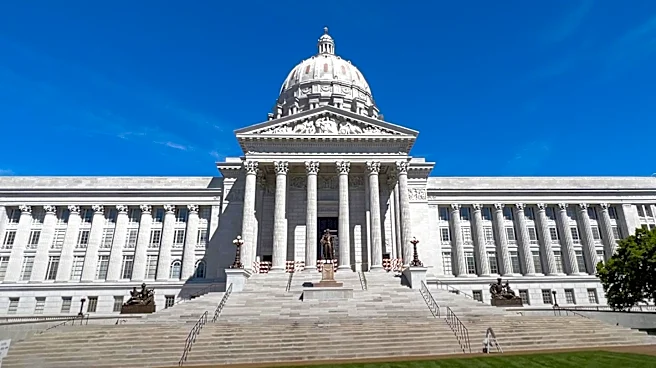
Lawmakers, including a bipartisan group from Western states, are working on legislation like the 'Fix Our Forests Act' to streamline and enhance forestry management practices. This bill aims to create 'fireshed management areas' to prioritize fuel treatments in high-risk areas. The success of such initiatives will depend on balancing immediate fire suppression needs with long-term ecological health. As climate conditions continue to evolve, ongoing research and policy adjustments will be necessary to effectively manage wildfire risks.
Beyond the Headlines
The broader implications of increasing wildfires include potential shifts in forest composition and the loss of biodiversity. As some tree species struggle to regenerate after fires, the landscape may change significantly, affecting wildlife habitats and carbon storage capabilities. The ethical considerations of fire management also come into play, as decisions must balance human safety with ecological preservation. The role of climate change in exacerbating these issues underscores the need for comprehensive environmental policies that address both mitigation and adaptation strategies.