







What's Happening?
The U.S. President's Emergency Plan for AIDS Relief (PEPFAR) has released new data showing mixed results in its efforts to combat HIV/AIDS globally. The program, which was launched in 2003 and is credited with saving millions of lives, has faced challenges
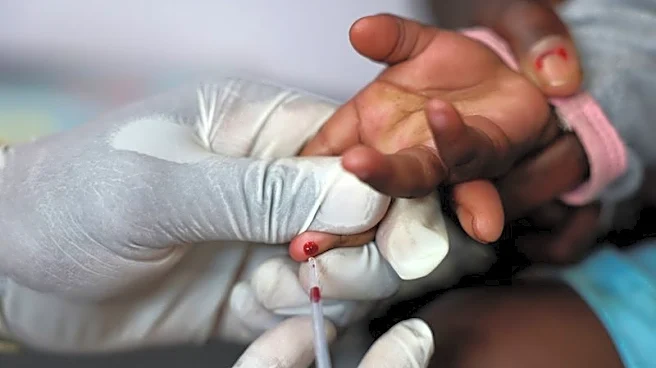
due to recent funding cuts. The latest figures indicate an increase in the number of pregnant and breastfeeding women starting PrEP medication, rising from 43,000 in late 2024 to 103,000 in late 2025. However, experts express concern over a decline in HIV testing and prevention services, with significant disruptions reported across PEPFAR service areas. The data also shows a slight decrease in the number of people receiving HIV treatment, with over 20 million supported as of September last year.
Why It's Important?
The release of PEPFAR's data is significant as it highlights the impact of U.S. foreign aid policies on global health initiatives. The program's ability to maintain its services despite funding cuts is crucial for millions relying on its support. The mixed outcomes underscore the challenges of balancing budget constraints with the need to sustain life-saving health programs. The decrease in HIV testing and prevention services could lead to a resurgence of the virus, affecting global health security. The data serves as a critical indicator for policymakers and health organizations to assess the effectiveness of current strategies and the need for potential adjustments.
What's Next?
The future of PEPFAR will likely involve navigating the consequences of funding cuts while striving to maintain its global health impact. Stakeholders, including government officials and health organizations, may need to advocate for sustained or increased funding to prevent further disruptions. The program's ability to adapt and innovate in response to financial constraints will be crucial in continuing its mission to combat HIV/AIDS. Ongoing analysis of the data will inform future strategies and policy decisions, with a focus on ensuring the resilience and effectiveness of global health initiatives.
Beyond the Headlines
The PEPFAR data release highlights broader ethical and policy considerations in global health funding. The program's transparency and accountability have been key to its success, but the recent challenges raise questions about the sustainability of such initiatives under financial pressure. The situation underscores the importance of international cooperation and commitment to addressing global health crises. The potential long-term impact on vulnerable populations and the risk of reversing progress in HIV/AIDS prevention and treatment are critical issues that require attention from global leaders and health advocates.