





What's Happening?
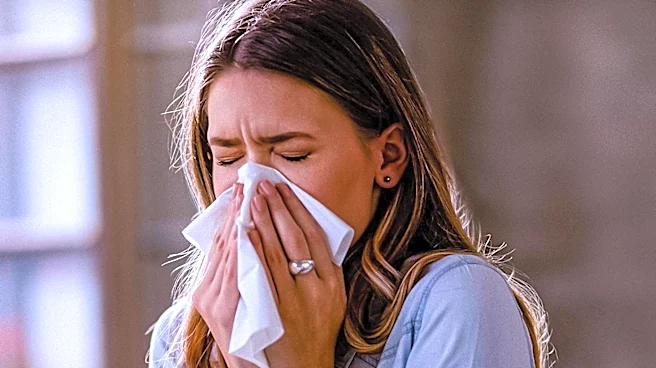
The late 2026 flu season has commenced earlier than usual, with public health trackers indicating rising influenza activity across multiple states ahead of schedule. Concurrently, a new COVID-19 variant is circulating globally, presenting symptoms that
closely resemble the flu and common cold. This overlap in symptoms makes it challenging to differentiate between the viruses without testing. Adults aged 65 and older face the highest risk of severe illness, hospitalization, and complications from both the flu and the new COVID-19 variant. The Centers for Disease Control and Prevention (CDC) recommends higher-dose or adjuvanted flu vaccines for seniors to elicit a stronger immune response. Health officials emphasize the importance of testing rather than guessing, especially for older adults, due to the potential for rapid deterioration in health.
Why It's Important?
The simultaneous early onset of the flu season and the spread of a new, symptom-mimicking COVID-19 variant significantly increases health risks for the elderly population in the U.S. Older adults are more susceptible to severe outcomes from respiratory viruses due to weakened immune systems and prevalent chronic conditions. This situation could strain healthcare systems, particularly if there's a surge in hospitalizations for both illnesses. The challenge in distinguishing between flu, COVID-19, and the common cold based on symptoms alone could lead to delayed diagnosis and treatment, which is critical for effective intervention, especially with antivirals that work best when administered early. The emphasis on specialized flu vaccines for seniors highlights the need for targeted public health strategies to protect this vulnerable demographic.
What's Next?
Public health officials will likely continue to monitor the spread of both the flu and the new COVID-19 variant, providing updated guidance to the public. There will be an ongoing push for vaccination, particularly for seniors, with recommendations for higher-dose flu vaccines and updated COVID-19 boosters. Increased awareness campaigns will likely focus on the importance of early testing for respiratory symptoms, especially in older adults, to facilitate timely treatment. Healthcare providers will need to remain vigilant in differentiating between these illnesses to ensure appropriate care. Families with elderly members are advised to have a plan in place, including access to home COVID tests and their doctor's contact information, and to seek emergency care for severe symptoms.
Beyond the Headlines
This dual threat of an early flu season and a new COVID-19 variant underscores the evolving landscape of respiratory illnesses and the persistent vulnerability of older populations. It highlights the long-term challenge of managing multiple circulating viruses with overlapping symptoms, potentially leading to diagnostic fatigue and public confusion. The situation also brings to light the ongoing need for robust public health infrastructure, including surveillance, rapid testing capabilities, and effective vaccination programs. The development of more broadly protective vaccines or rapid, accurate multiplex tests could be crucial in mitigating future similar health crises, emphasizing the continuous investment required in medical research and public health preparedness.