
What's Happening?
Nevada County District 5 Supervisor Hardy Bullock has introduced a resolution at the National Association of Counties (NACo) Annual Conference, advocating for federal transportation funding to improve
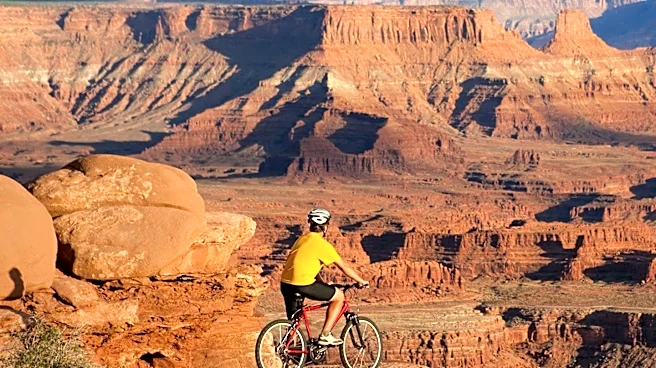
access to public lands. The resolution calls for Congress, the U.S. Department of Transportation, and the Federal Highway Administration to modernize funding to better integrate recreation infrastructure, such as trailheads and parking areas, with existing transportation systems. This initiative aims to address the growing demand for recreational access in rural areas like Nevada County, where public lands constitute nearly 40% of the total land area. The resolution was unanimously passed by the NACo membership, highlighting the importance of a 'build once' approach to infrastructure that combines road and recreation improvements.
Why It's Important?
The resolution is significant as it addresses the increasing need for infrastructure that supports safe and sustainable access to public lands, which are vital for the recreation economy in rural areas. By modernizing the Recreational Trails Program and allowing federal highway grants to fund complementary recreation infrastructure, the initiative seeks to enhance public safety and economic opportunities. This approach not only aims to improve visitor experiences but also supports local economies by attracting more tourists and generating revenue through travel spending. The resolution's success could set a precedent for other rural counties facing similar challenges, promoting a more integrated and efficient use of federal resources.
What's Next?
Following the resolution's approval, the next steps involve lobbying Congress and relevant federal agencies to implement the proposed changes. This may include revising funding formulas and expanding grant eligibility to cover recreation infrastructure. Local governments and stakeholders will likely engage in discussions to prioritize projects that align with the resolution's goals. The outcome could influence future federal transportation policies, potentially leading to broader legislative changes that support rural recreation economies nationwide.