






What's Happening?
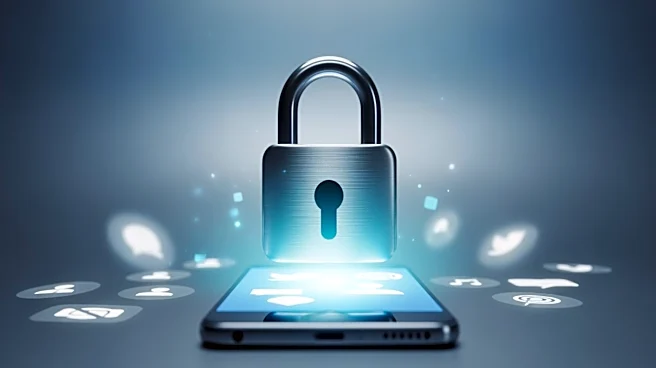
Greece has announced plans to ban social media access for children under 15, citing concerns over anxiety, sleep problems, and addiction to online platforms. Prime Minister Kyriakos Mitsotakis stated that the measure aims to protect children's mental
health and well-being. The Greek parliament, controlled by the New Democracy party, is expected to vote on the ban this summer. This move follows similar actions in other countries, such as France and Australia, which have implemented or are considering similar restrictions. The proposal has received significant public support, although there is skepticism about its effectiveness.
Why It's Important?
The proposed ban reflects growing global concerns about the impact of social media on young people's mental health. If implemented, Greece would be among the first European countries to enforce such a restriction, potentially influencing other nations to adopt similar measures. The initiative underscores the need for international cooperation in regulating digital platforms to protect minors. It also highlights the challenges of balancing technological access with health and safety concerns, prompting discussions on the role of government in regulating digital environments.
What's Next?
The Greek parliament is expected to vote on the social media ban this summer. If passed, the government will likely work on implementing age verification systems to enforce the restriction. The decision could lead to increased dialogue within the European Union about standardizing online age verification tools. Other countries may observe Greece's approach and consider similar legislation, potentially leading to broader regulatory changes in digital policy across Europe.