







What's Happening?
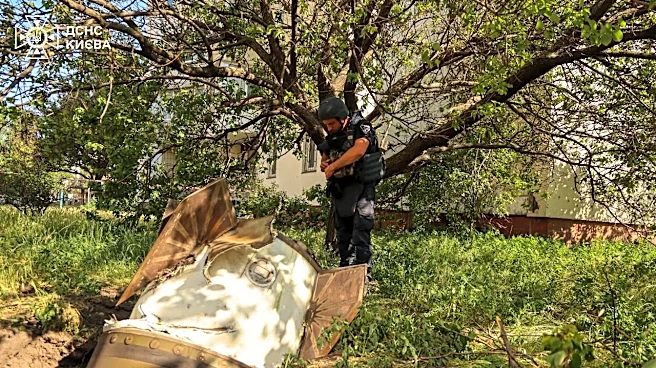
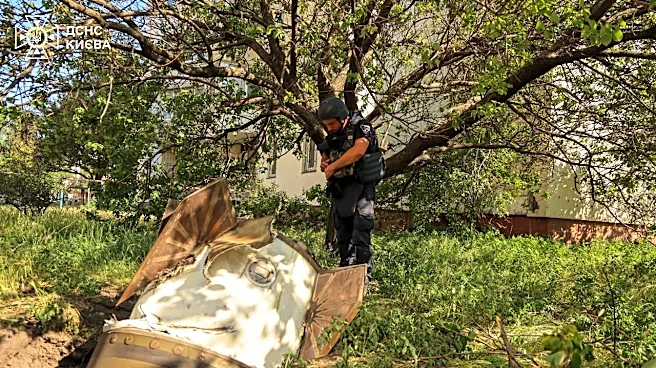
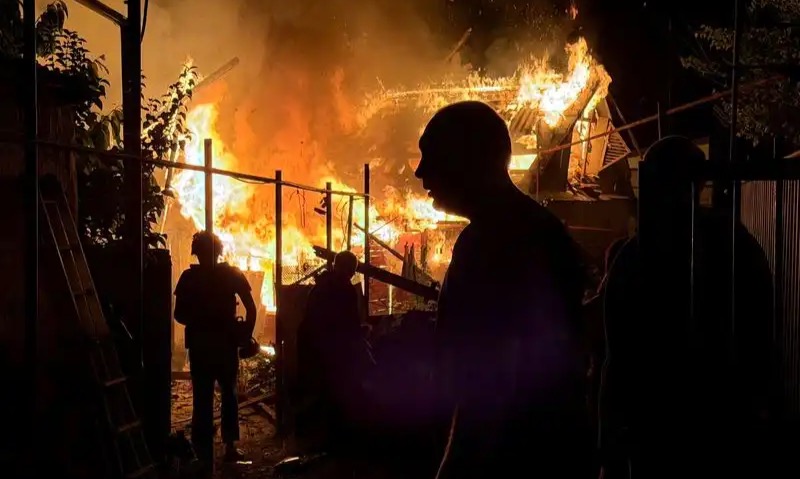
Ukraine has escalated its drone attacks on Russian infrastructure, targeting a major oil refinery in Slavyansk-na-Kubani, Russia. The attack resulted in a fire that killed one person and injured another. This incident is part of Ukraine's broader strategy
to disrupt Russian military and energy facilities, aiming to cut off Moscow's revenue streams and pressure the Kremlin into negotiations. Ukrainian President Volodymyr Zelensky confirmed the strikes, emphasizing their role in reducing resources that fuel Russia's military operations. The refinery, a significant source of petroleum products for export, is crucial to Russia's energy supply chain. Additionally, a second refinery in the Yaroslavl region was reportedly targeted, although Russian authorities have not confirmed this. The attacks have led to temporary closures of roads and airports in affected regions.
Why It's Important?
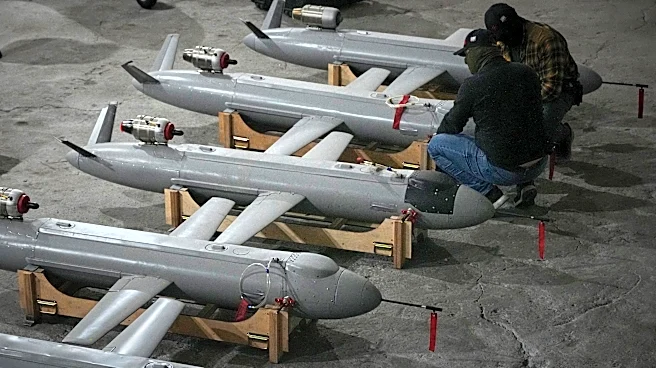
The intensification of Ukraine's drone strikes on Russian energy facilities marks a significant escalation in the ongoing conflict. By targeting key infrastructure, Ukraine aims to weaken Russia's economic and military capabilities, potentially altering the dynamics of the war. The disruption of fuel supplies could have far-reaching effects on Russia's ability to sustain its military operations, thereby increasing pressure on the Kremlin to seek diplomatic solutions. This strategy also highlights Ukraine's increasing reliance on drone technology to conduct long-range attacks, reflecting a shift in modern warfare tactics. The strikes could further strain Russia's domestic resources, as evidenced by fuel restrictions in various regions, and may lead to broader economic repercussions.
What's Next?
The ongoing drone attacks are likely to provoke a response from Russia, which may include increased military actions or diplomatic maneuvers to counter Ukraine's strategy. The international community will be closely monitoring the situation, as further escalation could impact global energy markets and geopolitical stability. Russia may also seek to bolster its defenses against drone attacks, potentially leading to an arms race in drone technology. Additionally, the attacks could influence future negotiations, with Ukraine leveraging its ability to disrupt Russian infrastructure as a bargaining chip.
Beyond the Headlines
The use of drones in this conflict underscores the evolving nature of warfare, where technology plays a pivotal role in shaping military strategies. This development raises ethical and legal questions about the use of autonomous weapons and their impact on civilian populations. The attacks also highlight the vulnerability of critical infrastructure to modern warfare tactics, prompting nations to reassess their security measures. As the conflict continues, the international community may need to address the implications of drone warfare on global security and stability.