







What's Happening?
The National Highway Traffic Safety Administration (NHTSA) has issued a directive to autonomous vehicle (AV) developers, emphasizing the need for their vehicles to properly detect and respond to emergency situations. This directive comes amid concerns
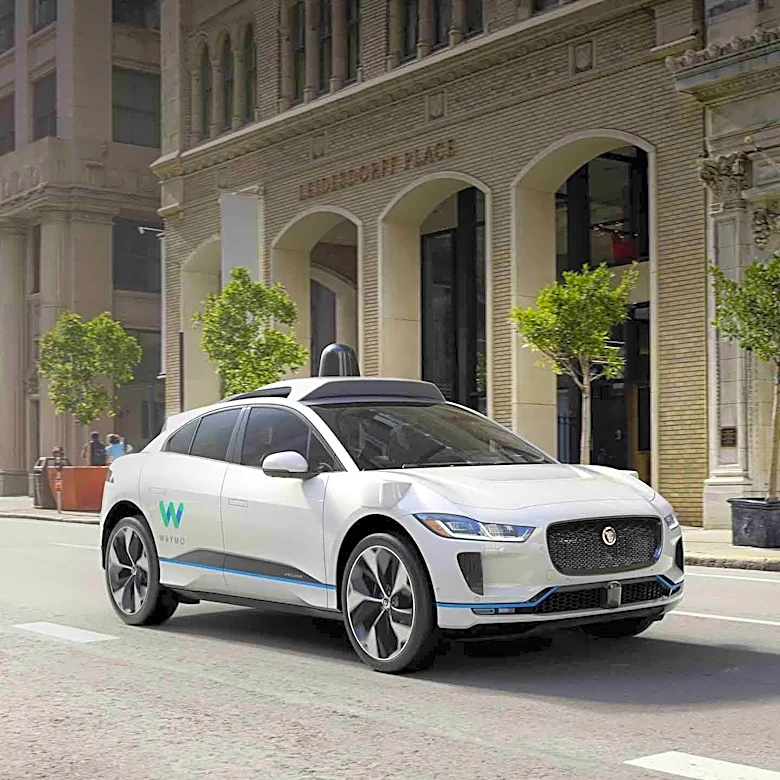
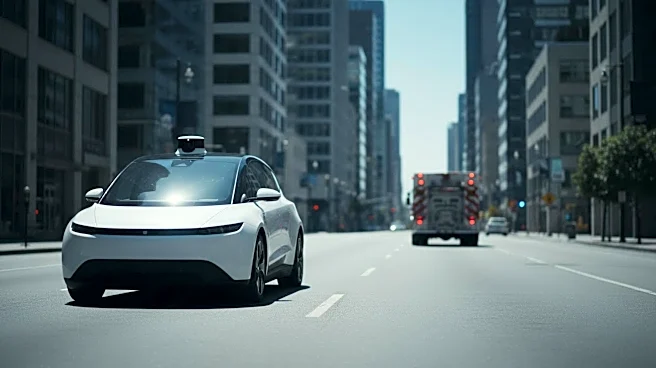
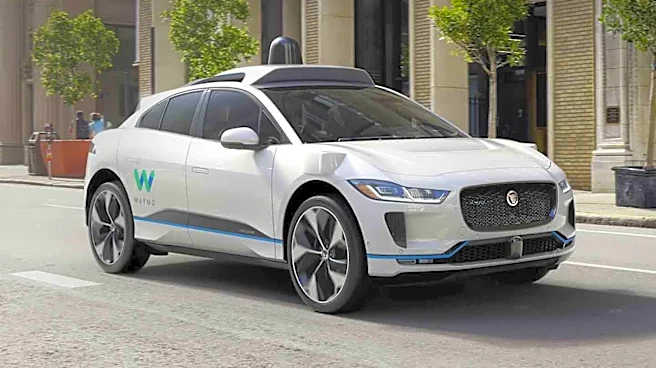
that some AVs, particularly those operated by Waymo, have had issues interacting with first responders. The NHTSA's administrator, Jonathan Morrison, highlighted that the inability of AVs to handle emergency scenes is a significant functional insufficiency. The directive calls for AV developers to focus their resources on addressing this issue, with a deadline to present solutions by the end of the month. This move follows reports of Waymo's robotaxis encountering problems during a traffic jam in San Francisco, where several vehicles ran out of power and had to be towed.
Why It's Important?
This directive from the NHTSA is crucial as it underscores the growing scrutiny on the safety and reliability of autonomous vehicles, particularly in emergency situations. The ability of AVs to interact seamlessly with first responders is vital for public safety and the broader acceptance of this technology. The directive could lead to significant changes in how AVs are programmed and tested, potentially impacting companies like Waymo, Tesla, and others in the autonomous vehicle industry. The focus on emergency response capabilities may also influence regulatory standards and public policy, affecting the deployment and operation of AVs across the United States.
What's Next?
Autonomous vehicle developers are expected to respond to the NHTSA's directive by the end of the month with proposed solutions to the identified issues. This could involve updates to software, enhanced testing protocols, or new safety features. The outcome of this directive may also influence future regulatory actions and could lead to stricter safety standards for AVs. Stakeholders, including AV companies, policymakers, and public safety officials, will likely engage in discussions to address these challenges and ensure the safe integration of AVs into public roadways.