

What's Happening?
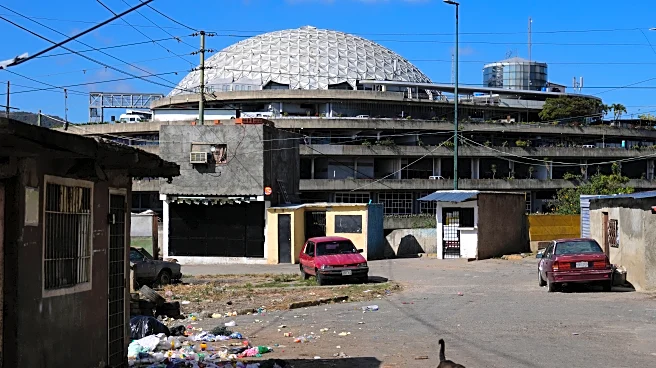
A 60 Minutes segment focusing on the CECOT prison in El Salvador, where deportees from the Trump administration were sent, aired after a four-week delay. The segment was initially pulled by CBS News editor in chief Bari Weiss, citing it was not ready.
The story, which had leaked online after a Canadian broadcaster mistakenly posted it, included interviews with Venezuelan deportees who described harsh conditions and abuse. Correspondent Sharyn Alfonsi noted that attempts to secure interviews with Trump administration officials were declined, which was a factor in the initial decision to delay the broadcast. The segment was eventually aired with new introductions and postscripts, but still lacked on-camera interviews with officials from the Trump administration.
Why It's Important?
The airing of the 60 Minutes segment highlights ongoing issues related to U.S. immigration policies and the treatment of deportees. The refusal of Trump administration officials to participate in the segment underscores the challenges media outlets face in holding government accountable. The story sheds light on the conditions faced by deportees and raises questions about the transparency and human rights implications of U.S. deportation practices. This development is significant as it may influence public opinion and policy discussions regarding immigration and deportation practices in the U.S.
What's Next?
The airing of the segment may prompt further investigations and discussions about the U.S. deportation policies and the conditions in facilities like CECOT. Advocacy groups and policymakers might push for more transparency and accountability from the government regarding the treatment of deportees. The Trump administration's continued silence on the issue could lead to increased scrutiny and pressure from both domestic and international human rights organizations.
Beyond the Headlines
The segment's delay and eventual airing highlight the tension between media outlets and government entities in reporting sensitive issues. The decision to pull the segment initially was criticized as a political move, raising concerns about editorial independence and corporate influence in news reporting. This incident may lead to broader discussions about the role of media in democracy and the importance of maintaining journalistic integrity in the face of political pressure.