


What's Happening?
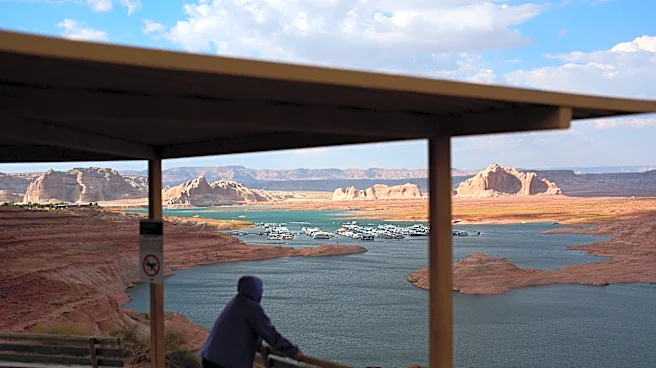
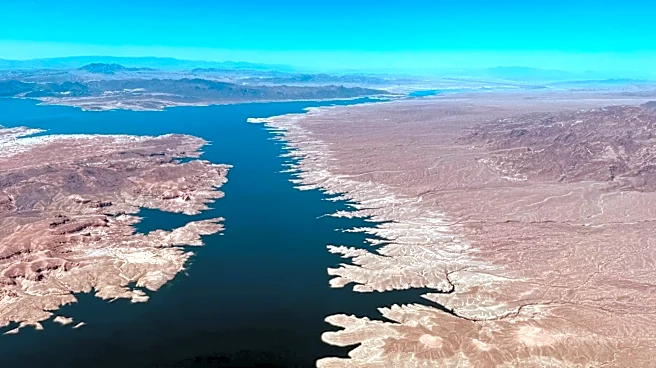
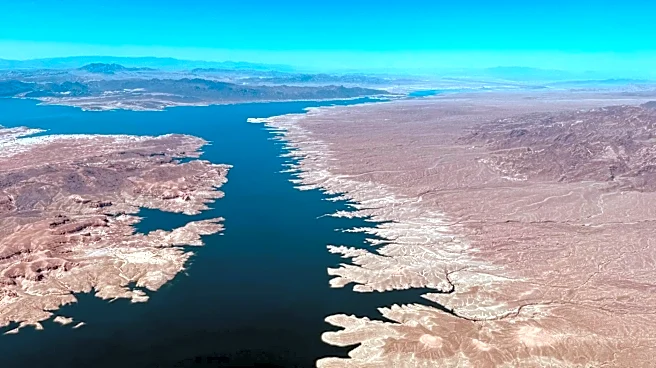
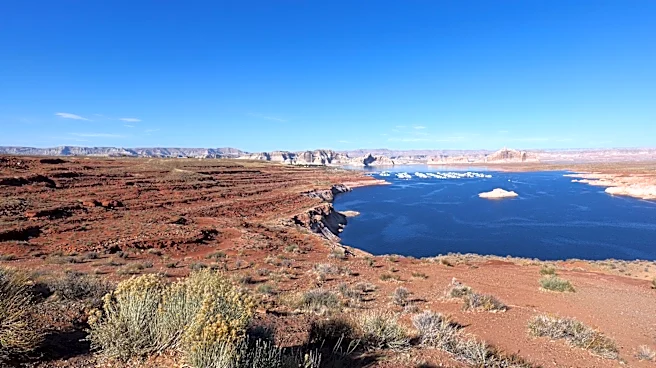
Lake Mead and Lake Powell, the two largest reservoirs in the United States, have reached record-low storage levels, with a combined storage of about 12.7 million acre-feet as of July 12. This marks the lowest level since 1957. The reservoirs, which are
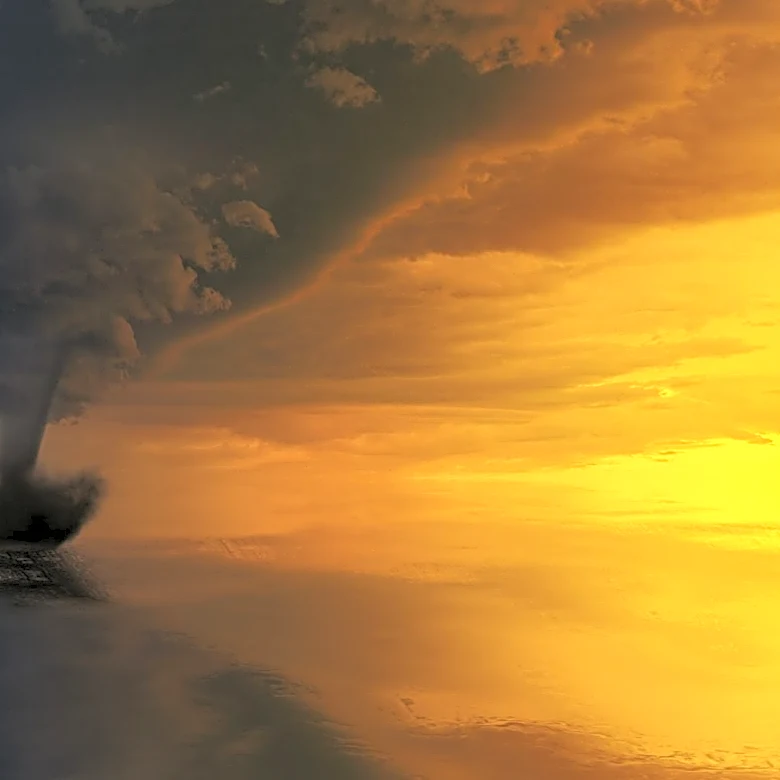
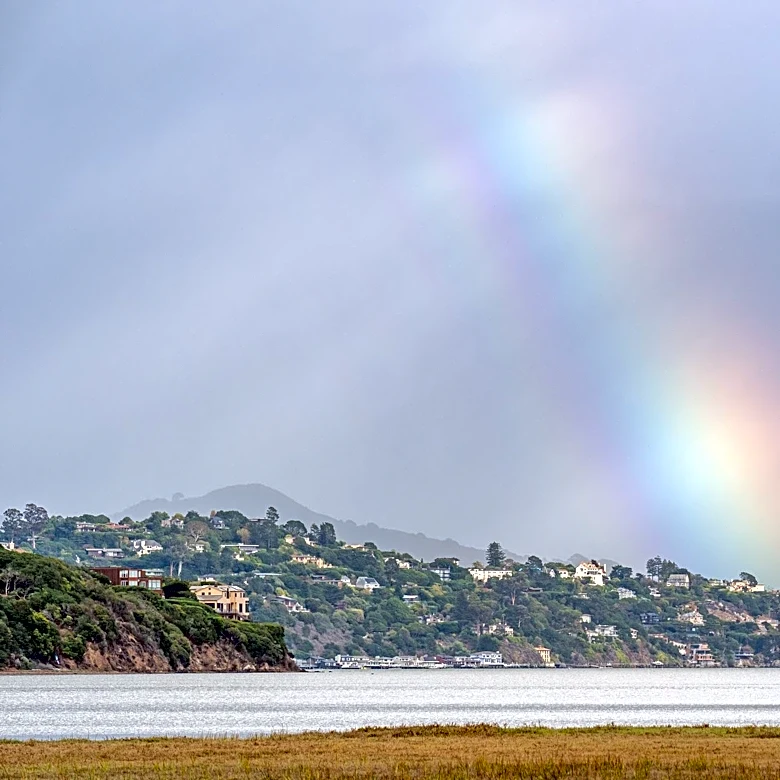
crucial for supplying water to approximately 40 million people across seven Western states, have been severely impacted by a lack of snowpack from the Intermountain West. However, there is potential relief on the horizon as the National Oceanic and Atmospheric Administration (NOAA) predicts the development of a Super El Niño in the Central Pacific by this fall. This phenomenon could lead to increased rainfall in California and potentially replenish the snowpack, thereby increasing runoff into Lake Powell and Lake Mead next spring.
Why It's Important?
The potential development of a Super El Niño is significant as it could alleviate some of the water shortages faced by the Western United States. The increased rainfall could help replenish the reservoirs, which are critical for water supply, agriculture, and hydroelectric power generation. This development is particularly crucial given the ongoing water crisis in the Colorado River Basin, which has been exacerbated by prolonged drought conditions. The situation underscores the importance of understanding and preparing for climate phenomena like El Niño, which can have far-reaching impacts on water resources and regional economies.
What's Next?
If the Super El Niño develops as predicted, it could lead to a wetter winter for California and the Intermountain West, potentially easing the water crisis in the region. However, even with increased precipitation, it may not fully reverse the long-term decline in reservoir levels. Stakeholders, including water managers and policymakers, will need to continue monitoring the situation and implement strategies to manage water resources effectively. Additionally, the broader impacts of El Niño on global weather patterns will need to be considered, as they can affect agriculture, energy, and infrastructure planning.