
What's Happening?
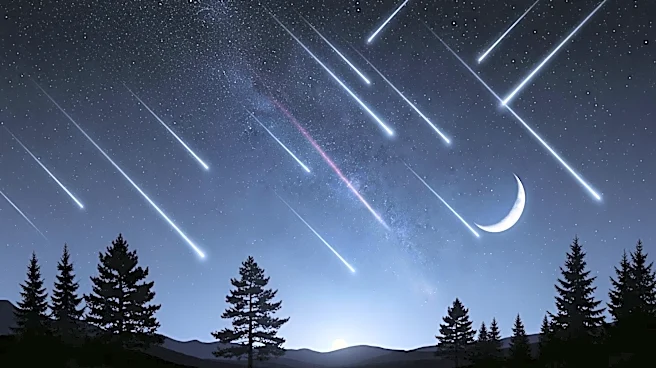
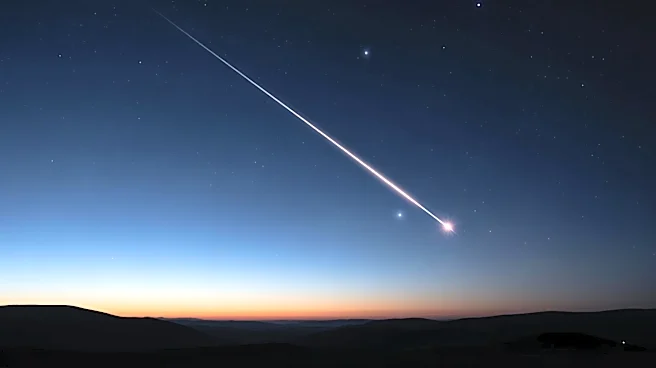
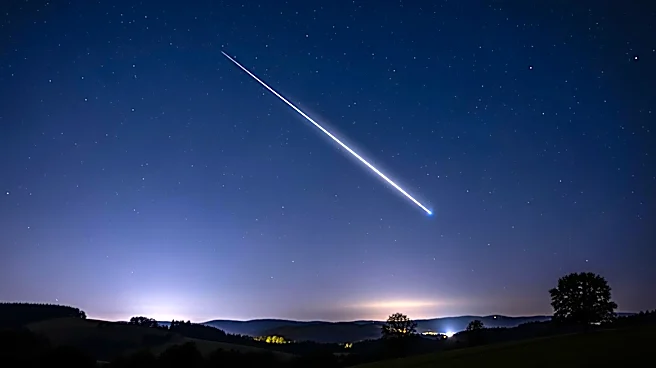
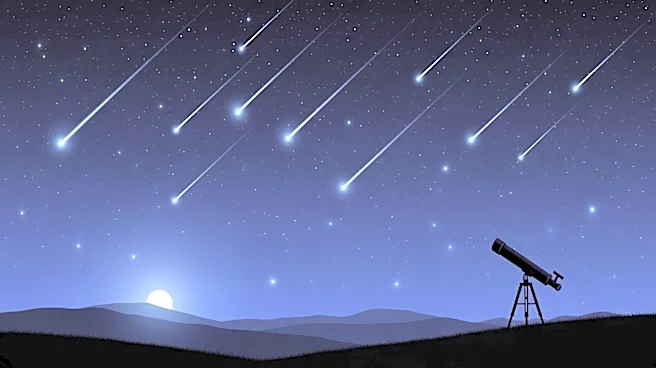
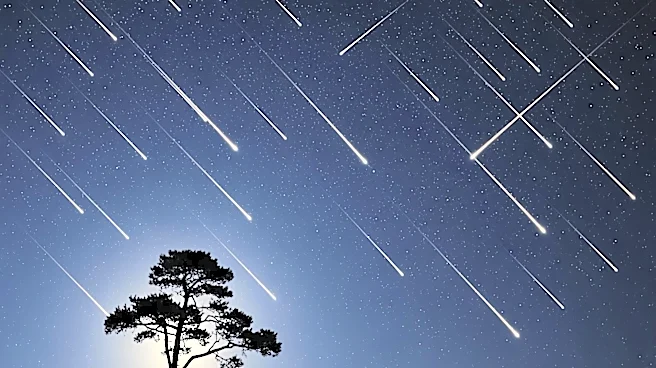
The Lyrid meteor shower is set to peak overnight from Tuesday into Wednesday, offering sky gazers the chance to see up to 20 meteors per hour. The peak is expected in the predawn hours of April 22, with
optimal viewing conditions as the moon sets around midnight, providing a darker sky. The Lyrid shower, originating from the comet C/1861 G1 Thatcher, is one of the oldest known meteor showers. Although considered medium-strength, the meteors are expected to be fast and faint. For the best viewing experience, observers are advised to find a location away from city lights and allow their eyes to adjust to the darkness.
Why It's Important?
Meteor showers like the Lyrids offer a unique opportunity for public engagement with astronomy and space science. They provide a natural spectacle that can inspire interest in celestial phenomena and the broader field of space exploration. The Lyrid meteor shower, being one of the oldest, also holds historical significance in the study of comets and meteors. Observing such events can foster a greater appreciation for the natural world and encourage educational activities related to astronomy.
What's Next?
The Lyrid meteor shower will continue to be visible until April 25, allowing multiple opportunities for observation. As the event progresses, weather conditions will play a crucial role in visibility. Enthusiasts and amateur astronomers are likely to continue monitoring the shower, sharing observations and photographs. This event may also prompt discussions and educational programs about meteor showers and their origins.