



What's Happening?
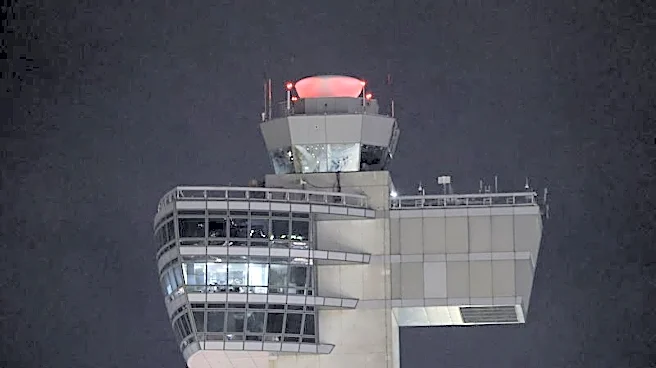
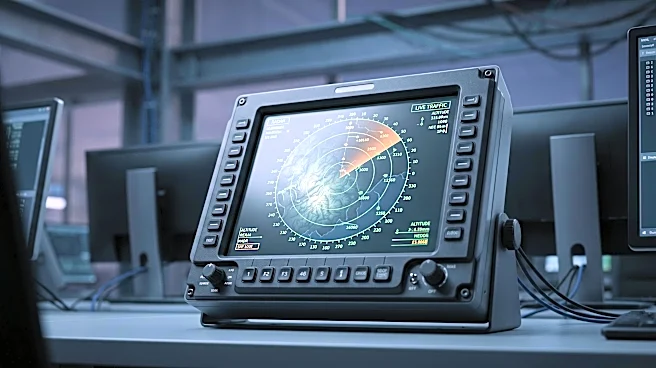
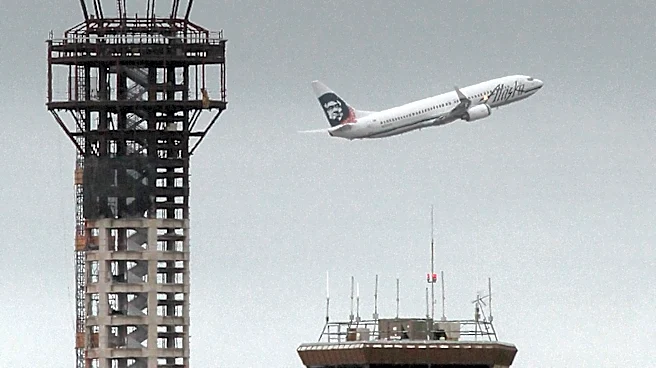
A recent technology problem caused disruptions to United Airlines flights on Monday night, drawing renewed attention to the Federal Aviation Administration's (FAA) ongoing efforts to modernize the nation's air traffic control system. President Trump is actively
advocating for Congress to allocate more funds for this technological upgrade. Simultaneously, Democrats are raising questions regarding the expenditure of previously approved funds for these modernization initiatives. The incident with United Airlines underscores the critical need for robust and updated technology within the air traffic control infrastructure to prevent widespread operational issues and ensure the safety and efficiency of air travel across the United States.
Why It's Important?
The reliability of the FAA's technology infrastructure is paramount for the U.S. economy and national security. Flight disruptions, even minor ones, can lead to significant economic losses for airlines, businesses, and travelers, impacting supply chains and productivity. The debate over funding and accountability for the technology upgrade highlights a critical challenge in public policy: ensuring that essential infrastructure projects receive adequate investment and that funds are utilized effectively. A modernized air traffic control system is crucial for handling increasing air travel demand, reducing delays, and enhancing safety, directly affecting millions of Americans who rely on air transportation for business and leisure. Failure to address these issues could lead to more frequent and severe disruptions, eroding public confidence in the national air travel system.
What's Next?
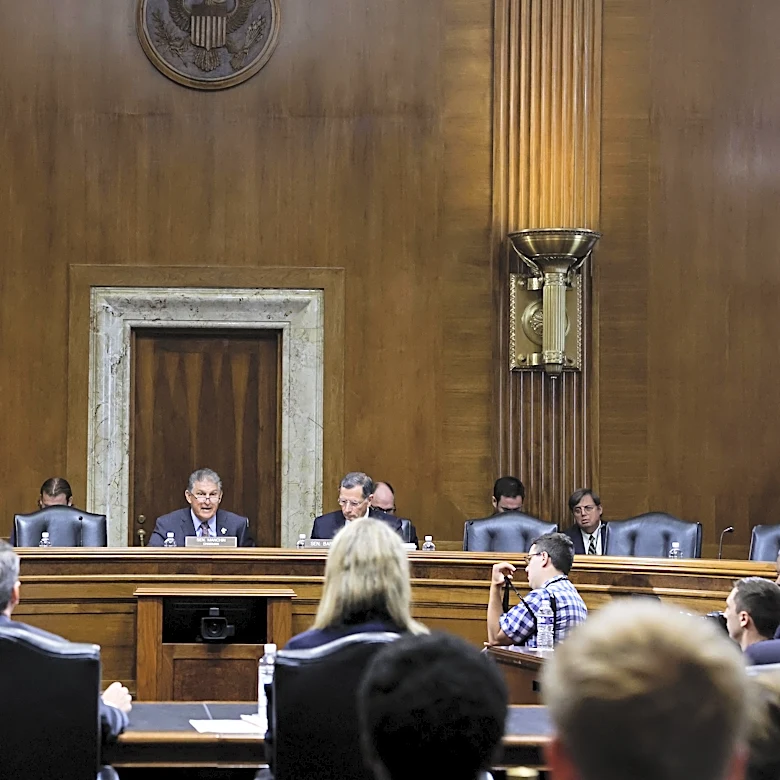
The immediate future will likely see continued pressure from President Trump on Congress to approve additional funding for the FAA's technology upgrades. Democrats are expected to intensify their oversight, demanding transparency and accountability regarding how existing funds have been spent and the progress made on modernization projects. The FAA will face increased scrutiny to demonstrate tangible improvements and a clear roadmap for its technological advancements. Airlines and the travel industry will also likely advocate for swift action to prevent further disruptions. This ongoing debate will shape future legislative decisions concerning infrastructure spending and regulatory oversight of critical national systems.
Beyond the Headlines
The recurring issues with air traffic control technology, exemplified by the United Airlines disruption, point to a broader challenge in maintaining and upgrading complex national infrastructure in an era of rapid technological advancement. This situation highlights the tension between immediate operational demands and long-term strategic investments. It also brings to light the political complexities involved in funding and implementing large-scale government projects, where partisan divides can hinder progress. The reliance on aging systems, coupled with the increasing sophistication of air travel, creates a vulnerability that extends beyond mere inconvenience, touching upon national economic competitiveness and public safety. The outcome of this debate will set a precedent for how the U.S. addresses similar infrastructure challenges in other critical sectors.