






What's Happening?
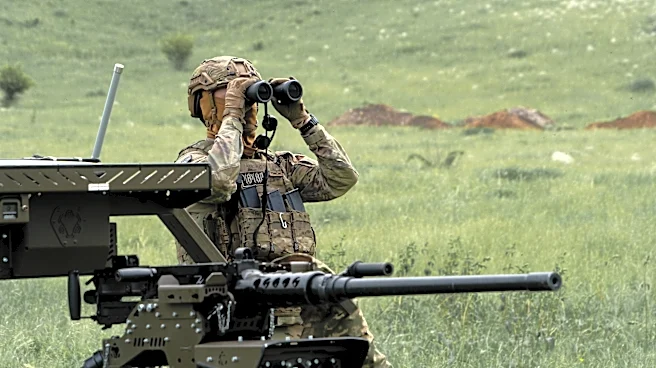
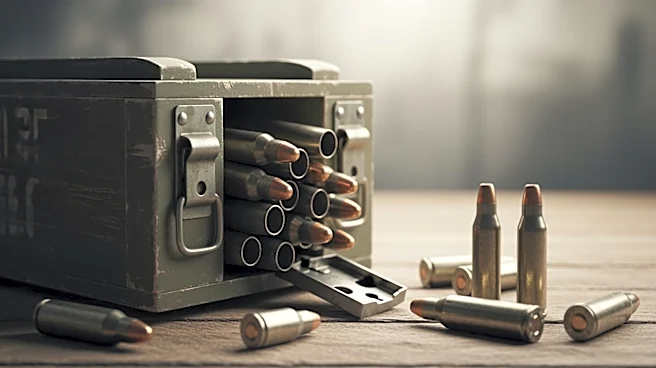
The U.S. military's involvement in the conflict with Iran has significantly depleted its weapons stockpiles, particularly of advanced munitions like Tomahawk missiles, THAAD systems, and Patriot interceptors. The Center for Strategic and International
Studies (CSIS) reports that replenishing these stockpiles could take years due to production timelines and existing defense commitments. The Trump administration has proposed a $1.5 trillion defense budget to address these concerns, but the core issue remains the time required to rebuild these arsenals.
Why It's Important?
The depletion of U.S. weapons stockpiles raises concerns about the country's ability to sustain military operations in future conflicts, particularly with potential adversaries like China. This situation highlights the need for strategic planning and investment in defense production capabilities. The debate over military funding and resource allocation is likely to intensify, with implications for U.S. foreign policy and defense strategy. The situation also underscores the interconnectedness of global defense commitments, as the U.S. balances its support for Ukraine and other allies.
What's Next?
The U.S. will need to prioritize its defense production and procurement strategies to address the shortfall in munitions. This may involve expanding manufacturing capacities and securing long-term contracts with defense contractors. The administration's proposed budget and supplemental funding requests will be critical in determining the pace of replenishment. Additionally, the U.S. may need to reassess its global military commitments to ensure it can meet its strategic objectives without overextending its resources.