






What's Happening?
A study by Johns Hopkins University has found that individuals who regularly engage with 'new right' media outlets, such as Breitbart and Newsmax, are more than twice as likely to be vaccine-hesitant. The research surveyed nearly 3,000 adults in 2025,
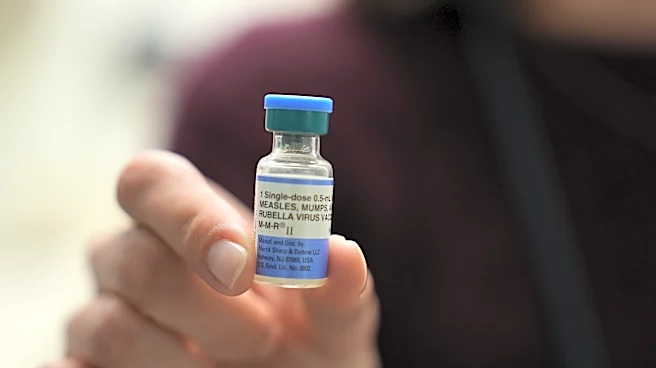
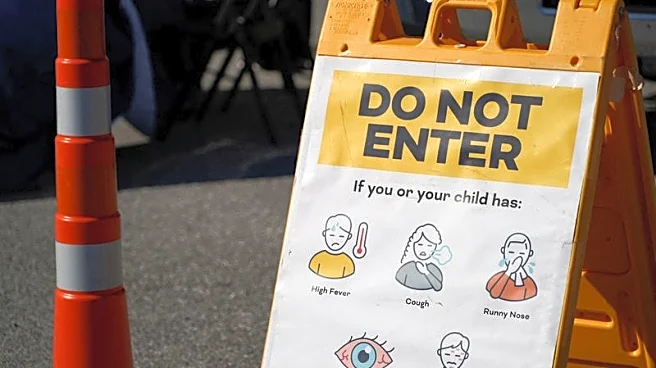
amidst a significant measles outbreak in the U.S. The study highlights a strong association between media consumption habits and attitudes towards vaccines, with hesitant individuals more likely to rely on non-authoritative sources for health information. The findings suggest that media preferences play a crucial role in shaping public health attitudes.
Why It's Important?
The study underscores the impact of media consumption on public health behaviors, particularly in the context of vaccine hesitancy. With measles cases rising due to declining vaccination rates, understanding the influence of media on health decisions is critical for public health strategies. The research suggests that addressing misinformation and promoting authoritative health sources could improve vaccination rates. The findings also highlight the broader issue of polarization in public health, where media preferences contribute to divided opinions on critical health interventions.
What's Next?
Public health officials and communicators may need to develop targeted strategies to counteract misinformation and promote vaccine uptake. This could involve collaborations with trusted community leaders and healthcare providers to disseminate accurate information. Additionally, there may be efforts to engage with media platforms to address the spread of vaccine misinformation. The study's insights could inform future public health campaigns and policies aimed at increasing vaccination coverage and achieving herd immunity.