
What's Happening?
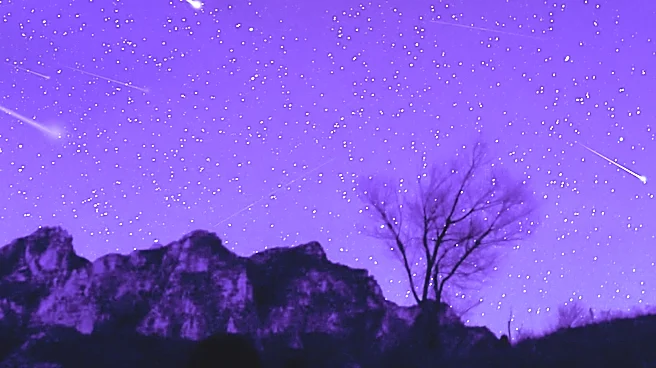
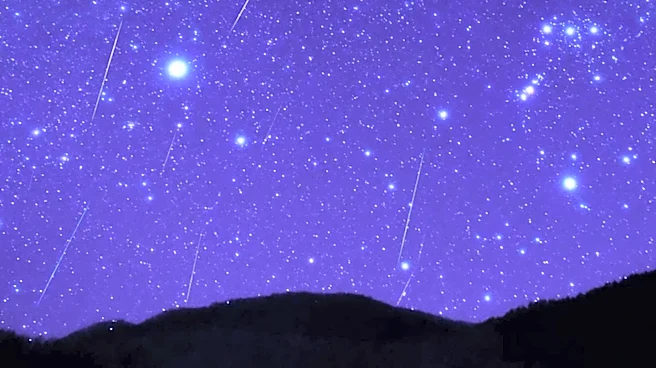
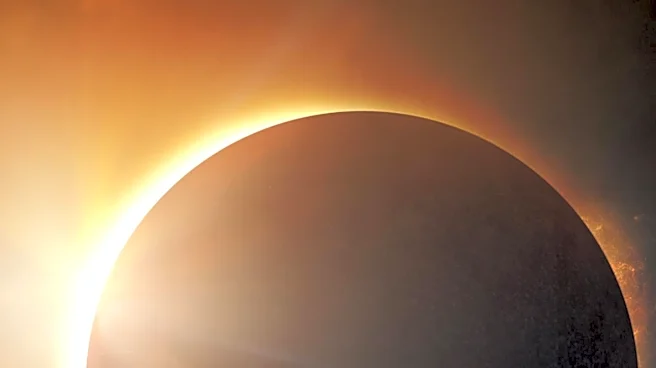
The Perseid meteor shower is set to peak on August 12-13, 2026, offering optimal viewing conditions due to the coinciding New Moon on August 12. This annual meteor shower, known for its bright meteors and high frequency, will be visible from late July
until about August 21, with a noticeable increase in activity around August 8-9. Observers in dark, cloudless locations can expect to see between 50 and 70 meteors per hour at the peak. The British Astronomical Association encourages both individual and group observations, highlighting the teamwork aspect of meteor watching. The shower's radiant will be highest in the sky during the pre-dawn hours, providing the best observed rates.
Why It's Important?
The Perseid meteor shower is one of the most reliable and anticipated astronomical events of the year, drawing interest from both amateur and professional astronomers. Its visibility across the Northern Hemisphere makes it accessible to a wide audience, promoting interest in astronomy and natural phenomena. The event also provides an opportunity for scientific observation and data collection, contributing to the understanding of meteoroid streams and their interactions with Earth's atmosphere. The lack of moonlight interference this year enhances the viewing experience, potentially increasing public engagement and participation in astronomical activities.
What's Next?
As the peak approaches, observers are advised to find dark viewing sites away from city lights to maximize their experience. The British Astronomical Association and other astronomical societies are likely to organize events and provide resources for enthusiasts. Weather conditions will play a crucial role, and clear skies are essential for optimal viewing. Participants are encouraged to submit their observations to contribute to ongoing research and data collection efforts. The event may also inspire educational programs and public outreach initiatives to foster a greater appreciation for astronomy.