

What's Happening?
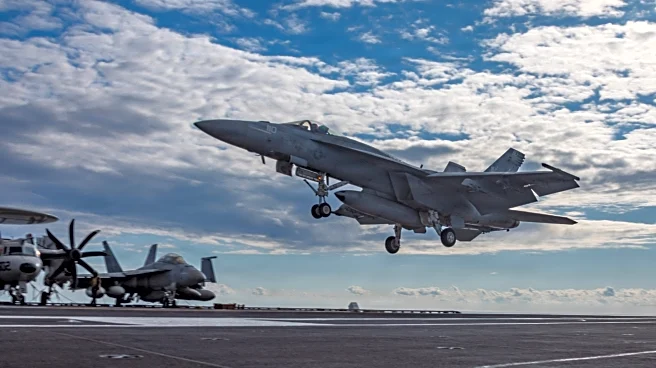
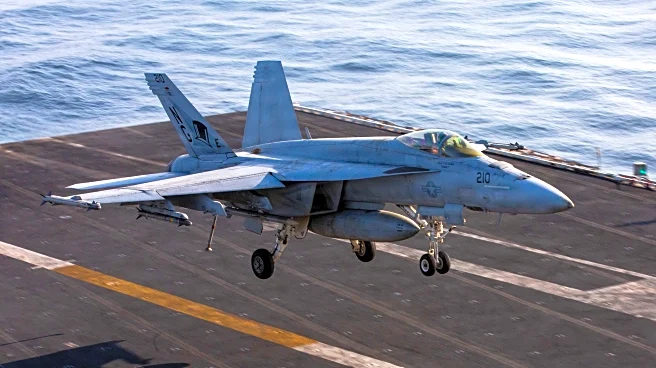
The Qatar Football Federation has announced the suspension of all football tournaments and matches until further notice. This decision comes in the wake of heightened regional tensions following U.S.-Israel military strikes on Iran. The federation did
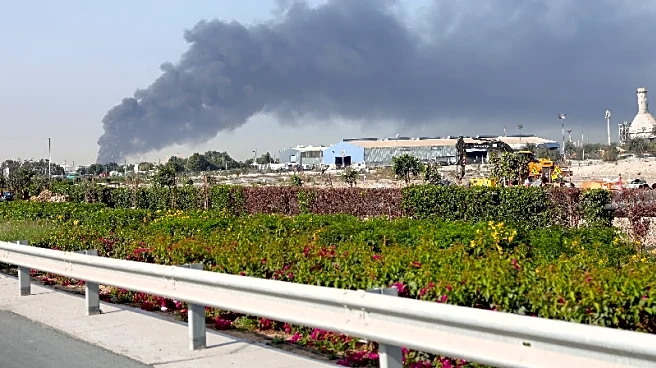
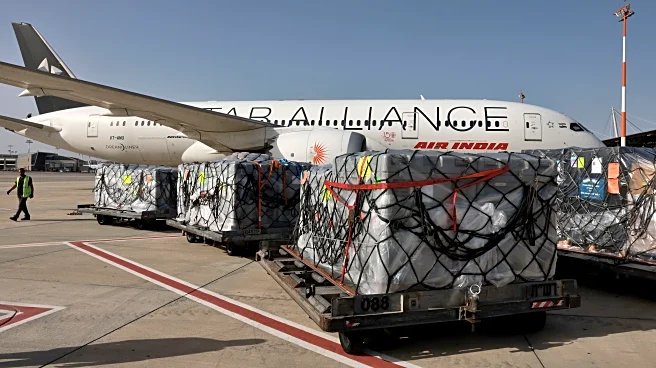
not directly reference the strikes in its announcement but stated that new dates for the competitions would be announced later. The situation has also led to disruptions at Doha's airport, with airspace closures by Israel, the United Arab Emirates, and Qatar affecting flights across the Middle East. Additionally, Iranian missiles were reportedly intercepted over Doha, adding to the regional instability. The uncertainty extends to the scheduled friendly match between Argentina and Spain, set to take place at Doha's Lusail Stadium on March 27, which remains in question.
Why It's Important?
The suspension of football activities in Qatar highlights the broader impact of geopolitical tensions on international sports and travel. The closure of airspace and the interception of missiles underscore the potential risks to safety and logistics in the region. This development could affect Qatar's reputation as a host for international sporting events, especially with the upcoming 2026 World Cup. The uncertainty surrounding the Argentina vs. Spain match also reflects the challenges faced by sports organizations in maintaining schedules amid political and military conflicts. Stakeholders in the sports industry, including teams, sponsors, and broadcasters, may face financial and operational challenges due to these disruptions.
What's Next?
The Qatar Football Federation is expected to monitor the situation closely and announce new dates for the suspended matches once the regional tensions subside. The outcome of the Argentina vs. Spain match remains uncertain, and further announcements from the Royal Spanish Football Federation and other involved parties are anticipated. The broader geopolitical situation may influence future decisions regarding international sports events in the region. Additionally, airlines and travel agencies will need to adjust their operations based on the evolving airspace restrictions and safety assessments.