




What's Happening?
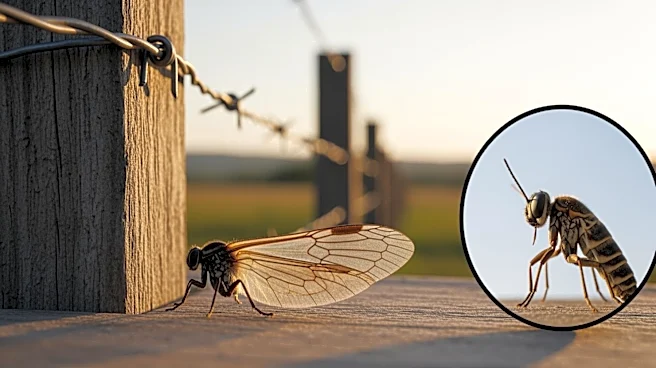
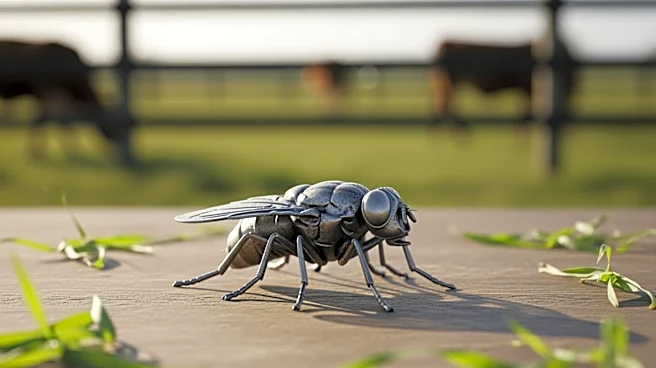
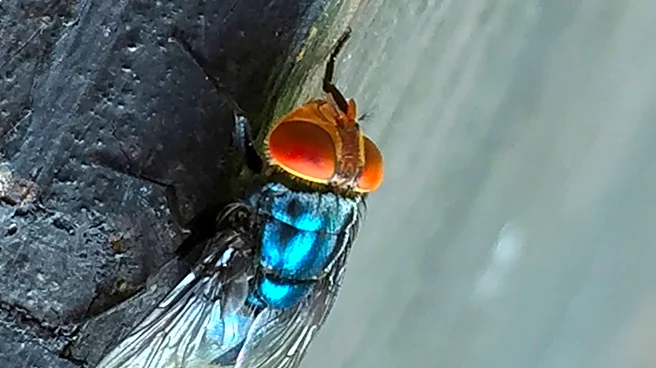
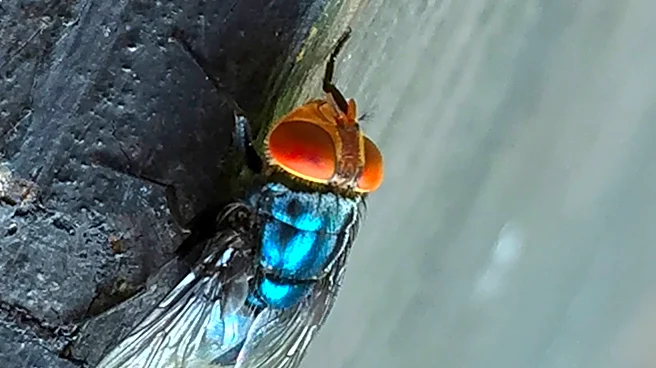
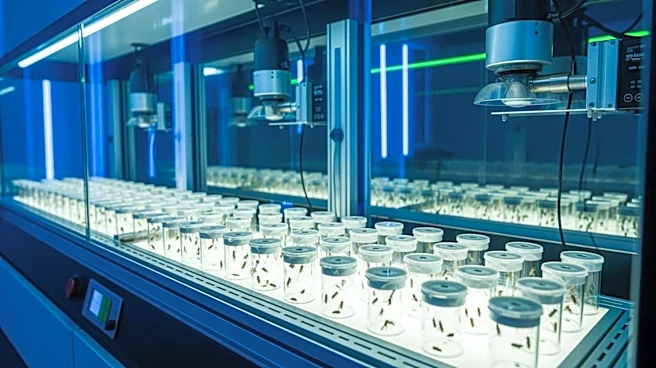
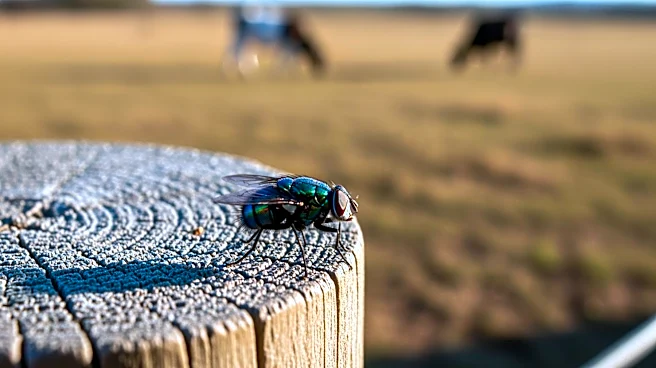
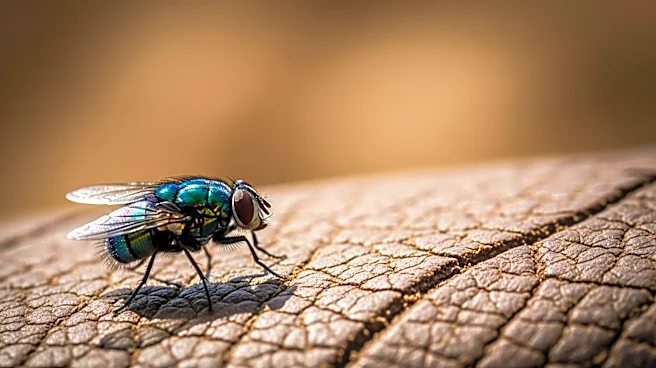
Texas Governor Greg Abbott has expressed urgency in accelerating the construction of a new fly-breeding facility aimed at combating the New World screwworm fly, a parasite threatening the cattle industry. The $750 million facility, located near Edinburg,
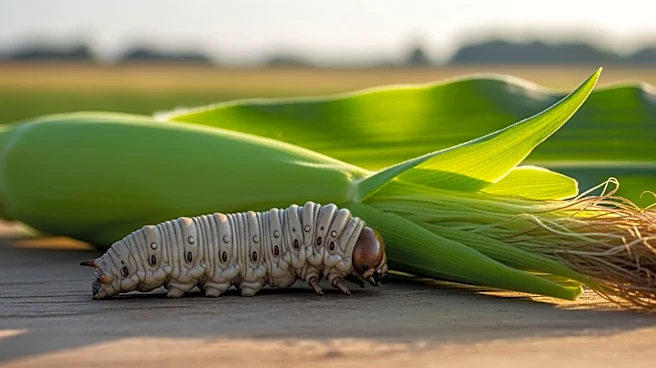
Texas, is part of a broader effort by the U.S. Department of Agriculture (USDA) to produce sterile flies to control the parasite's population. The screwworm fly larvae, which feed on living tissue, pose a significant threat to livestock. The USDA confirmed recent infestations in Texas, marking the first cases since 1966. Governor Abbott has pledged state support to expedite the facility's construction, emphasizing the need for rapid action to prevent further spread.
Why It's Important?
The New World screwworm fly poses a significant threat to the $113 billion U.S. cattle industry. An outbreak could lead to substantial economic losses and impact beef supply chains. The use of sterile flies is a proven method to control and eradicate the parasite, as demonstrated in past efforts. The urgency expressed by Governor Abbott highlights the potential economic and agricultural implications of the parasite's spread. The situation underscores the importance of timely and coordinated responses to agricultural threats, which can have far-reaching effects on food production and prices.
What's Next?
The USDA plans to begin operations at a similar facility in Mexico next month, with the Texas facility expected to open by November 2027. Governor Abbott's push for expedited construction may lead to earlier completion. The USDA and state officials will continue to monitor the situation and deploy sterile flies strategically to control the parasite's spread. The success of these efforts will be critical in protecting the cattle industry and preventing further economic impact.
Beyond the Headlines
The screwworm fly's resurgence highlights the challenges of maintaining agricultural biosecurity. The reliance on sterile fly production as a control measure reflects the need for innovative solutions in pest management. The situation also raises questions about the sustainability of current agricultural practices and the need for ongoing investment in biosecurity infrastructure.