



What's Happening?
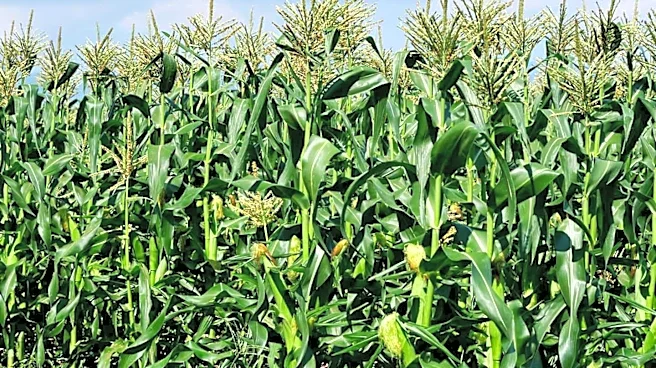
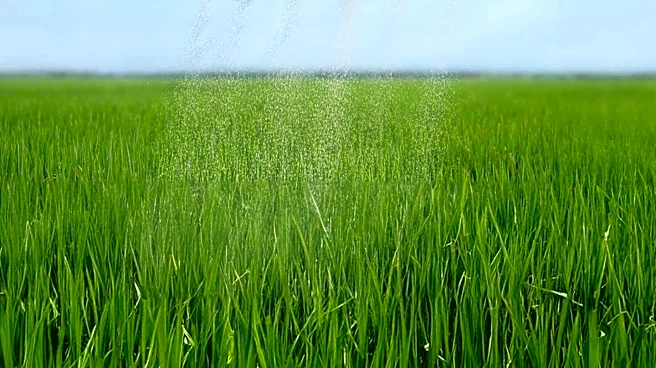
In Northwest New York, foliar diseases in corn crops are currently not as prevalent as anticipated. However, there is growing concern for later-planted corn, particularly those fields just reaching the silking stage. This delay in development could make
them more susceptible to diseases if they emerge later in the season. The USDA NASS Crop Progress and Condition report for New York on August 16 indicated that 70% of corn was silking, which is 10% lower than the five-year average, and only 18% was in the dough stage. Corn conditions remain largely stable, with 67% rated good and 11% excellent, though 2% is very poor and 6% poor.
Why It's Important?
The delayed development of a significant portion of the corn crop in Northwest New York introduces a vulnerability to late-season disease outbreaks. While current foliar disease levels are low, a shift in weather patterns could rapidly change this, potentially impacting yield for later-planted fields. This situation highlights the critical role of timing in agricultural cycles and the sensitivity of crop health to environmental conditions. A substantial reduction in corn yield due to disease could affect local agricultural economies, potentially leading to higher feed costs for livestock and impacting the supply chain for corn-based products. Farmers with late-planted corn may face increased risks and the need for vigilant monitoring and potential intervention.
What's Next?
The agricultural community in Northwest New York is hoping for a warm, sunny September and late fall to help the delayed corn crops mature and reduce the risk of late-season disease development. Farmers are advised to continue monitoring their fields closely. The Pro Farmer Crop Tour is ongoing, providing daily updates on corn and soybean conditions across the Midwest, which can offer broader insights into national crop health trends. While foliar diseases are currently low, the focus remains on the potential for late-season issues, especially for corn that is still in critical developmental stages.
Beyond the Headlines
The situation in Northwest New York reflects a broader trend of increasing unpredictability in agricultural seasons, likely influenced by changing climate patterns. The lower-than-average silking rates and the vulnerability of late-planted crops underscore the need for adaptive farming strategies, including the development of more resilient corn varieties and improved forecasting models for disease outbreaks. This also brings to light the economic pressures on farmers who must contend with variable planting and harvest timelines, potentially impacting their financial stability and long-term planning. The reliance on favorable weather in the coming months highlights the inherent risks in agriculture and the continuous need for innovation in crop management.