






What's Happening?
Cities across the U.S. are increasingly investing in curb management programs to address the growing competition for limited curb space. This initiative is driven by the rise of rideshare services, food delivery, e-commerce, and micromobility, which have
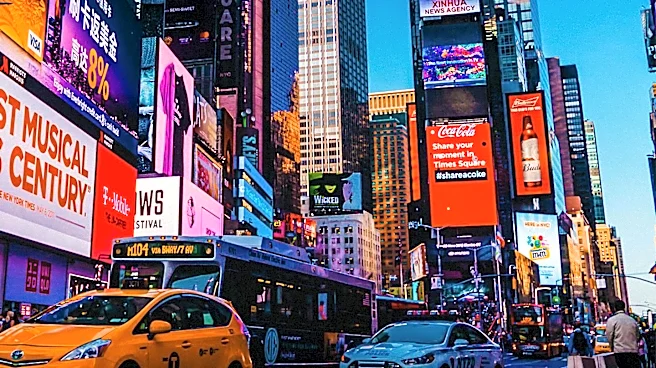
significantly increased pickup and drop-off activities. Historically, curb space was primarily designed for parking, but its usage has evolved, leading to congestion and safety concerns. To better organize this activity, cities are designating specific areas for certain vehicles, setting time limits for stops, and, in some cases, dynamically changing curb space purposes throughout the day. Examples include Boston's flexible curb management programs and New York City's Office of Curb Management, which coordinates various curb uses under a single strategy. These programs aim to reduce traffic conflicts and make passenger pickups more efficient for rideshare drivers.
Why It's Important?
The shift towards active curb management is crucial for urban planning and transportation in the U.S. The unmanaged growth of rideshare and delivery services has strained existing infrastructure, leading to increased traffic, longer travel times, and potential safety hazards for pedestrians and cyclists. By implementing designated pickup zones and flexible regulations, cities can mitigate these negative impacts, improving urban mobility and the quality of life for residents. For rideshare drivers, understanding and adhering to these new rules is essential to avoid citations and complete trips more efficiently. For passengers, it means more predictable and safer pickup experiences, especially in high-demand areas like airports, stadiums, and entertainment districts. This proactive approach to curb space is transforming how urban environments accommodate modern transportation demands, impacting local economies and daily commutes.
What's Next?
The trend of implementing and refining curb management programs is expected to continue and expand across U.S. cities. Future developments may include wider adoption of digital curb management technologies, which use mapping, geofencing, and real-time data to dynamically assign curb space. This could allow for even more flexible and responsive management, adapting to changing travel patterns throughout the day. Enforcement will likely become more targeted, focusing on behaviors that cause congestion and safety issues, such as double parking or blocking bus stops. Rideshare companies and drivers will need to stay informed about local regulations, which may vary significantly between municipalities and even change during special events. Continued collaboration between city planners, transportation agencies, and rideshare platforms will be vital to ensure these programs are effective and adaptable to evolving urban mobility needs.
Beyond the Headlines
The evolution of curb management reflects a deeper societal and technological transformation in urban areas. It highlights the challenge of integrating new, on-demand services into existing infrastructure not originally designed for such intensive use. This necessitates a re-evaluation of public space allocation and a move towards more dynamic and data-driven urban planning. The ethical implications of data collection for digital curb management, privacy concerns, and equitable access to transportation services will become increasingly important considerations. Furthermore, the success of these programs could influence broader policy discussions on sustainable urban development, encouraging a shift away from car-centric planning towards more multimodal and pedestrian-friendly environments. The long-term impact could reshape urban landscapes, fostering more efficient, safer, and environmentally conscious cities.