





What's Happening?
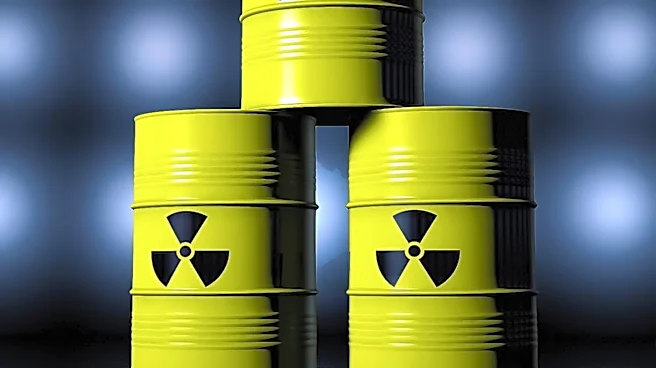
The Department of Energy (DOE) is seeking new legal authority from Congress to manage spent nuclear fuel and establish Nuclear Lifecycle Innovation Campuses (NLICs). These campuses would consolidate interim dry storage, spent fuel reprocessing, fuel fabrication,
and permanent disposal in states that volunteer to host them. Assistant Secretary of Energy for Nuclear Energy Ted Garrish presented this request at recent House and Senate hearings. Energy Subcommittee Chair Bob Latta (R-OH) stressed that any new campus policy must complement existing law and the designated federal deposit site at Yucca Mountain, rather than replace it. Twenty-six states have expressed interest, with six signing non-binding memorandums of understanding to explore hosting a campus. Garrish also requested that Congress end Yucca Mountain's legal monopoly on disposal, authorize interim storage at campus sites, and make reprocessing an official policy where technically and economically feasible. The DOE aims for formalized host agreements by late September and contracts by December 15, a timeline Latta views with caution, emphasizing the need for durable state agreements.
Why It's Important?
This initiative is significant for U.S. energy policy and infrastructure, aiming to resolve the long-standing impasse over nuclear waste disposal, which has left most spent fuel in interim storage due to the stalled Yucca Mountain project. The DOE projects the program could attract $51 billion in private investments and create up to 25,000 jobs, offering substantial economic benefits and workforce development in host communities. However, concerns exist regarding the financial implications, particularly the proposed use of the Nuclear Waste Fund for private recycling ventures. Lawmakers and industry groups, including Representative Latta, have cautioned against 'irresponsibly raiding the nuclear waste fund,' advocating for its primary use for permanent disposal. The debate highlights a critical tension between promoting innovative nuclear waste management solutions and ensuring fiscal responsibility and adherence to established legal frameworks for funding and oversight.
What's Next?
The DOE is pushing to finalize host agreements with states by late September and sign contracts by December 15, though Representative Latta has expressed caution regarding this ambitious timeline, emphasizing the need for durable state agreements. Congress will continue to deliberate on the DOE's requests for new legal authority, including ending Yucca Mountain's legal monopoly, authorizing interim storage at campus sites, and formalizing reprocessing as a policy. Discussions will likely focus on the financial mechanisms, particularly the use of the Nuclear Waste Fund, and the oversight capabilities of the DOE, given recent staffing reductions and changes to review boards. Stakeholders, including utility regulators and industry groups, will continue to advocate for their positions on funding and the commercial viability of reprocessing, influencing the legislative path forward for this comprehensive nuclear waste management plan.
Beyond the Headlines
The DOE's proposal to establish Nuclear Lifecycle Innovation Campuses represents a potential paradigm shift in U.S. nuclear waste management, moving beyond the singular focus on Yucca Mountain. This shift could decentralize waste management, fostering regional economic development in volunteering states while also raising complex ethical and environmental justice questions about the equitable distribution of nuclear waste facilities. The emphasis on reprocessing, while offering potential for resource recovery, also reopens debates about proliferation risks and the long-term safety of such technologies. The tension between federal authority and state autonomy in hosting these facilities, coupled with concerns about the integrity of the Nuclear Waste Fund, underscores the intricate balance required to advance nuclear energy solutions while addressing public trust and environmental stewardship. The long-term success hinges on not only technological feasibility but also robust public engagement and transparent governance.