








What's Happening?
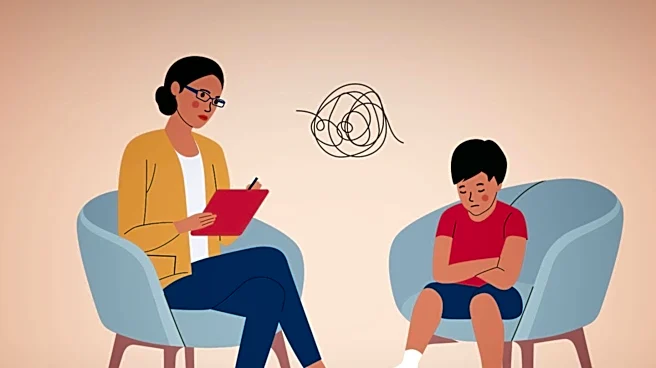
Cognitive Behavioral Therapy (CBT) is a widely used method for managing anxiety, helping individuals identify and challenge negative thought patterns and gradually face feared situations. Anxiety often follows a cycle where a situation triggers an anxious
thought, leading to physical and emotional distress, and subsequently, avoidance behaviors. While avoidance offers short-term relief, it reinforces fear and strengthens anxiety over time. CBT aims to interrupt this cycle by helping individuals examine anxious messages, question assumptions, and practice new ways of thinking and responding. This therapy focuses on present-day issues and equips individuals with practical skills to manage anxiety in daily life, building confidence in their ability to handle discomfort.
Why It's Important?
The effectiveness of Cognitive Behavioral Therapy in breaking the anxiety and avoidance cycle is important because it offers a structured and evidence-based approach to managing a pervasive mental health challenge. Anxiety can significantly impair an individual's quality of life, affecting their work, relationships, and overall well-being. By teaching individuals to identify triggers, challenge negative thoughts, and gradually confront feared situations, CBT empowers them to regain control over their lives. This therapy reduces reliance on avoidance, which often perpetuates anxiety, and instead fosters resilience and coping skills. The widespread application of CBT can lead to improved mental health outcomes across various populations, reducing the societal burden of anxiety disorders and promoting greater productivity and social engagement.
What's Next?
As the understanding and acceptance of mental health treatments grow, CBT is likely to become even more accessible and integrated into mainstream healthcare. There may be an increase in the development of digital CBT platforms and teletherapy options, making the therapy available to a broader audience. Research will continue to refine CBT techniques, potentially leading to more personalized and efficient treatment protocols. Furthermore, educational initiatives could promote early intervention with CBT, helping individuals address anxiety before it becomes debilitating. The long-term trend points towards a greater emphasis on proactive mental health management, with CBT playing a central role in equipping individuals with lifelong coping mechanisms.
Beyond the Headlines
Beyond its direct therapeutic benefits, the widespread adoption of Cognitive Behavioral Therapy has deeper implications for how society views and addresses mental health. It reinforces the idea that mental health challenges are not character flaws but treatable conditions, thereby contributing to the destigmatization of therapy. CBT's focus on practical skills and measurable progress also aligns with a growing demand for evidence-based interventions in healthcare. This approach empowers individuals by giving them agency in their recovery, shifting the narrative from passive patient to active participant. Culturally, it promotes a more proactive and self-aware approach to emotional well-being, encouraging individuals to understand and manage their internal experiences rather than being overwhelmed by them.