
What's Happening?
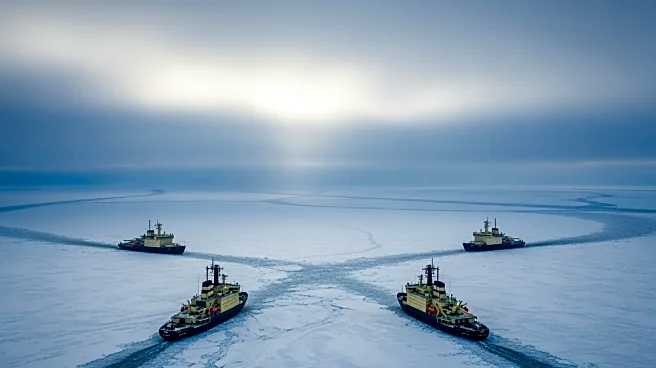
The Arctic region is becoming a strategic hub for minerals, energy, and shipping as the ice melts, with Russia and China expanding their influence. Russia dominates the Arctic in terms of geography and infrastructure,
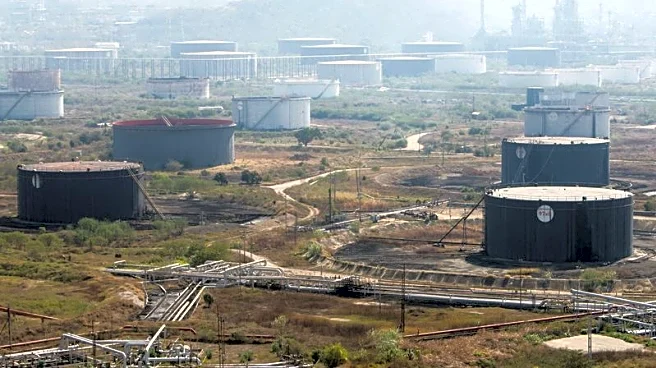
holding significant reserves of natural gas, oil, and rare earth metals. The Northern Sea Route (NSR) is crucial for Russia, especially as the EU plans to ban Russian gas imports by 2027. This route reduces the distance between Europe and Asia, giving Russia leverage over traditional trade routes. Meanwhile, China is investing in Arctic projects, including the Yamal LNG Project, to secure long-term energy supplies and access to mineral resources. These developments are reshaping global trade dynamics and challenging Western influence in the region.
Why It's Important?
The strategic importance of the Arctic is growing as it becomes a new frontier for global trade and resource extraction. Russia's control over Arctic routes and resources undermines Western sanctions and could lead to a separate trading corridor with distinct rules and risks. This shift has significant implications for global supply chains, particularly in energy and minerals critical for clean energy technologies. China's involvement in the Arctic further complicates the geopolitical landscape, as it seeks to diversify its trade routes and secure resources for its manufacturing sector. The U.S. and Europe must address these challenges to maintain their influence and protect their economic interests in the region.
What's Next?
As the Arctic continues to open up, the U.S. and Europe may need to enhance their presence and cooperation in the region to counterbalance Russian and Chinese advances. This could involve increased investment in Arctic infrastructure, collaboration on environmental protection, and strategic partnerships with other Arctic nations. The evolving geopolitical dynamics may also prompt a reevaluation of existing sanctions and trade policies to address the unique challenges posed by the Arctic's development. Stakeholders will need to navigate complex legal and environmental issues as they seek to capitalize on the region's opportunities while mitigating potential conflicts.
Beyond the Headlines
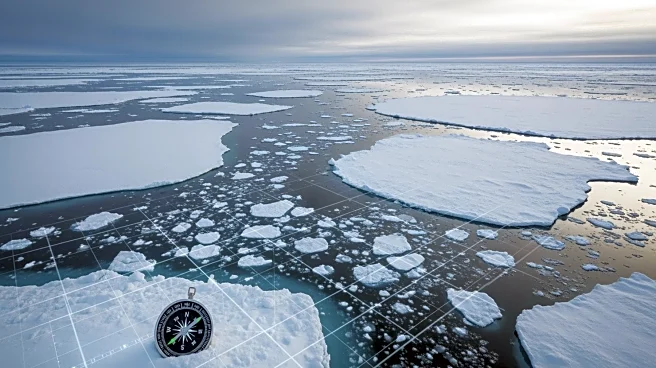
The Arctic's transformation highlights broader issues of climate change and its impact on global geopolitics. As ice melts, new shipping lanes and resource deposits become accessible, raising questions about environmental sustainability and indigenous rights. The region's development could exacerbate tensions between major powers, leading to increased militarization and competition for control. Additionally, the Arctic serves as a testbed for sanctions evasion and regulatory challenges, with implications for international law and governance. These factors underscore the need for a comprehensive and cooperative approach to Arctic policy that balances economic interests with environmental and social responsibilities.