



What's Happening?
Georgia House Republicans have introduced a proposal aimed at capping property tax increases to address the issue of rapidly rising property tax bills. The proposed legislation, House Bill 1116, seeks to limit annual property tax increases to the greater
of 3% or the rate of inflation as determined by the federal Consumer Price Index. This measure comes as a response to concerns over escalating housing prices and aims to provide a pragmatic solution without requiring a constitutional amendment. The bill, which has undergone significant revisions, was passed by the House with a vote of 98-68, despite opposition from Democrats who argue that it could significantly reduce funding for essential city services, including public safety. The proposal also includes a provision allowing local governments to use a penny sales tax to offset property taxes.
Why It's Important?
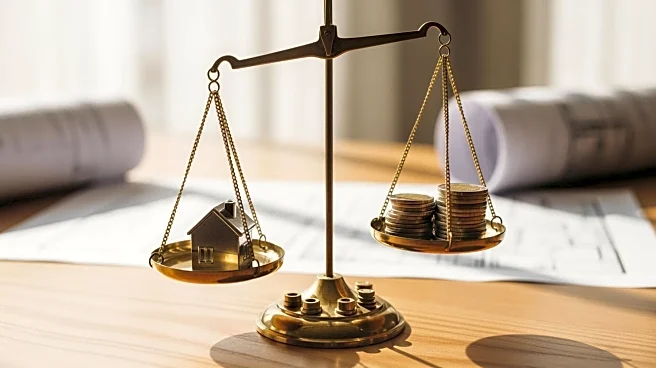
The proposed property tax cap is significant as it addresses the broader issue of housing affordability, which has become a pressing concern for many residents in Georgia. By capping tax increases, the bill aims to provide financial relief to homeowners facing steep property tax hikes. However, the measure has sparked debate over its potential impact on local government budgets. Critics, particularly Democrats, warn that the cap could lead to substantial cuts in funding for critical services such as public safety, effectively labeling it a 'defund the police' bill. This highlights the ongoing tension between efforts to control housing costs and the need to maintain adequate funding for essential public services. The outcome of this legislative effort could set a precedent for how other states address similar challenges.
What's Next?
As the bill moves forward, it will likely face further scrutiny and debate in the Georgia Senate. Stakeholders, including local government officials and public service advocates, are expected to continue voicing their concerns about the potential financial implications of the tax cap. The discussion may also prompt additional amendments to the bill to address these concerns. If passed, the implementation of the tax cap will require careful monitoring to assess its impact on both homeowners and local government budgets. The outcome could influence future legislative efforts in other states facing similar issues with property tax increases and housing affordability.