






What's Happening?
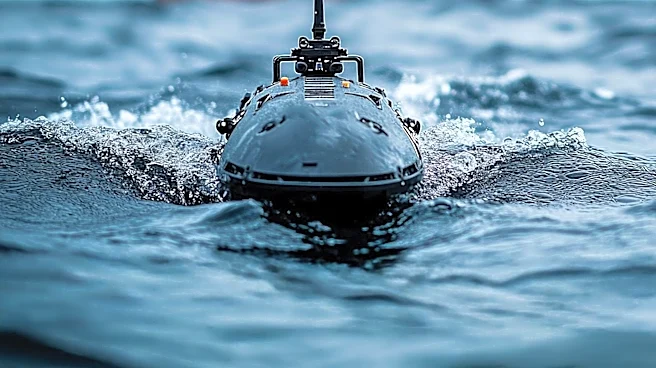
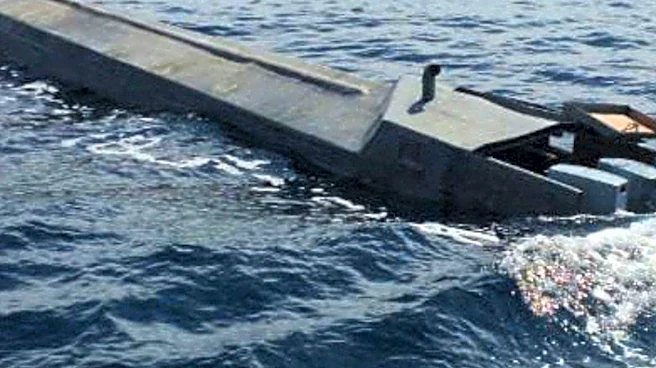
Researchers have developed a new system of modular robotic boats, known as FloatForm, designed for self-assembly and reconfiguration in aquatic environments. These autonomous floating robots are equipped with onboard sensors, control systems, and actuators,
allowing them to form various structures and adapt to changing conditions. The FloatForm system features a magnetic latching mechanism that enables the boats to connect and disconnect efficiently, even in the presence of environmental disturbances. This innovation is particularly useful for tasks such as search-and-rescue missions and the construction of temporary floating infrastructures. The system's design emphasizes flexibility, robustness, and resource efficiency, making it a promising tool for operations in challenging aquatic settings.
Why It's Important?
The development of the FloatForm robotic boats represents a significant advancement in the field of modular robotics, with potential applications in various industries. In the context of search-and-rescue operations, these robots can quickly assemble into platforms or bridges, providing critical support in emergency situations. Additionally, their ability to form temporary structures can aid in the maintenance of sea-based installations and the construction of floating infrastructures. The technology's adaptability and efficiency could lead to cost savings and increased safety in maritime operations. Furthermore, the system's scalability and robustness make it a valuable asset for addressing complex challenges in aquatic environments.
Beyond the Headlines
The introduction of modular robotic boats like FloatForm could have broader implications for the future of maritime operations and environmental management. As these systems become more widespread, they may contribute to more sustainable practices by reducing the need for permanent structures in sensitive aquatic ecosystems. The technology also raises questions about the integration of autonomous systems in traditional industries and the potential for job displacement. However, it could also create new opportunities for skilled workers in robotics and maritime engineering, highlighting the need for updated training programs and educational initiatives.