




What's Happening?
Health officials in Costa Rica have reported a significant increase in chikungunya virus cases, marking the first confirmed case since 2016. A 24-year-old man from Esparza, Puntarenas, was identified as the initial case in late January. Since then, the country
has recorded 82 cases, with 48 confirmed, compared to just 8 cases in 2025 with no confirmations. The outbreak is concentrated in the northwestern regions, affecting provinces such as San Jose, Puntarenas, Guanacaste, Alajuela, and Heredia. Chikungunya is transmitted by Aedes mosquitoes and causes symptoms like high fever and severe joint pain, which can lead to chronic pain and disability.
Why It's Important?
The resurgence of chikungunya in Costa Rica highlights the ongoing threat of mosquito-borne diseases in tropical regions. The increase in cases poses a public health challenge, potentially straining healthcare resources and impacting the local population's quality of life. The chronic nature of chikungunya-related joint pain can lead to long-term disability, affecting economic productivity and healthcare costs. This situation underscores the need for effective mosquito control measures and public health strategies to prevent further spread.
What's Next?
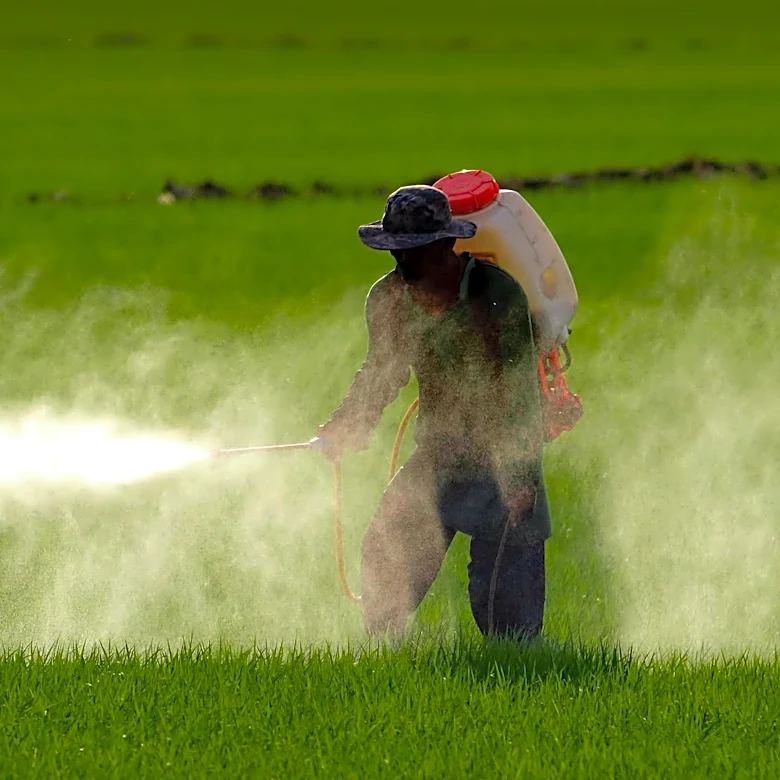
Health authorities are likely to intensify mosquito control efforts and public awareness campaigns to mitigate the outbreak. Monitoring and reporting of new cases will be crucial in managing the epidemic. The government may also consider international collaboration for resources and expertise in handling mosquito-borne diseases. Public health advisories and preventive measures will be essential to protect vulnerable populations and prevent further transmission.