



What's Happening?
The United States, Iran, and a group of regional mediators are in discussions to establish a 45-day ceasefire, potentially leading to a permanent resolution of the ongoing conflict. According to a report by Axios, the talks involve a two-phased approach,
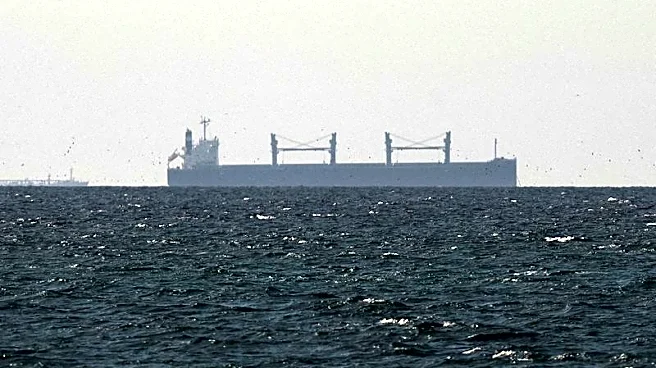
with the initial phase focusing on a temporary truce. This development comes amid heightened tensions and threats concerning the strategic Strait of Hormuz. The ceasefire aims to provide a window for negotiating a lasting peace agreement. However, the report has not been independently verified by Reuters, and there has been no immediate response from the White House or the U.S. State Department regarding the discussions.
Why It's Important?
The potential ceasefire is significant as it could de-escalate tensions in a region critical to global oil supply, particularly the Strait of Hormuz, through which a significant portion of the world's oil passes. A successful negotiation could stabilize oil markets and reduce the risk of further military confrontations, which have broader implications for international security and economic stability. The involvement of the U.S. and regional mediators highlights the international community's interest in resolving the conflict, which has implications for global diplomacy and regional alliances.
What's Next?
If the ceasefire is agreed upon, the next steps would involve detailed negotiations to achieve a permanent end to the conflict. The ceasefire could be extended if more time is needed for talks. The outcome of these discussions could influence U.S. foreign policy and its relations with Middle Eastern countries. Additionally, President Trump has set a deadline for Iran to open the Strait of Hormuz, with potential military actions threatened if the deadline is not met, adding urgency to the negotiations.