

What's Happening?
The U.S. Food and Drug Administration (FDA) has approved bemotrizinol, marking the first new sunscreen ingredient allowed in the U.S. market in more than 25 years. Bemotrizinol, a chemical UV filter, has been used in European and Asian sunscreens for
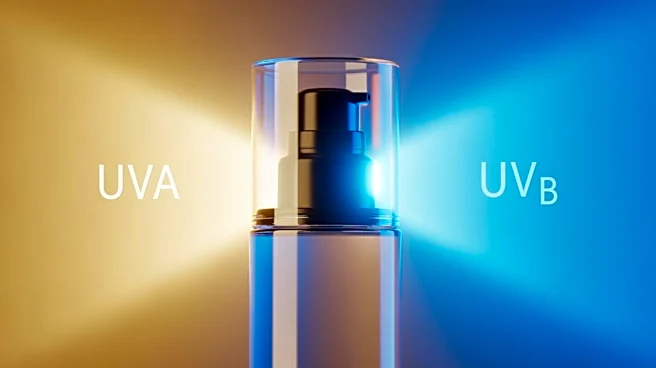
over two decades. It offers protection against both UVA and UVB rays, which are responsible for skin cancer and wrinkles. The approval is seen as a significant advancement in U.S. sunscreen technology, which has lagged behind due to regulatory hurdles. The ingredient will be marketed under the brand name Parsol Shield by DSM Nutritional Products, with an 18-month exclusivity period before other manufacturers can use it.
Why It's Important?
This development is crucial as it addresses the long-standing gap in U.S. sunscreen innovation compared to other countries. The approval of bemotrizinol provides American consumers with a more effective option for sun protection, potentially reducing the risk of skin cancer and premature aging. The FDA's decision also reflects a shift towards modernizing sunscreen regulations, which could lead to more advanced and safer products in the future. This change benefits both consumers seeking better sun protection and manufacturers looking to introduce innovative products in the U.S. market.
What's Next?
Following the approval, DSM Nutritional Products will launch Parsol Shield later this year. The FDA's streamlined process for approving new sunscreen ingredients, authorized by Congress in 2020, may pave the way for additional innovations in the industry. Other manufacturers are likely to follow suit after the exclusivity period, potentially leading to a broader range of sunscreen products available to U.S. consumers. The FDA's ongoing updates to sunscreen standards, including proposed measures for stronger UVA protection, suggest further regulatory changes could enhance product safety and efficacy.