





What's Happening?
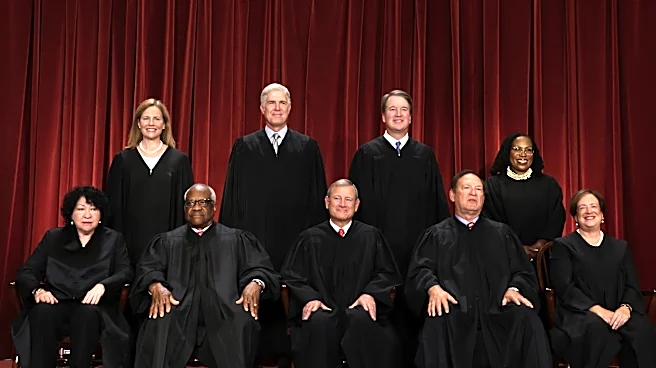
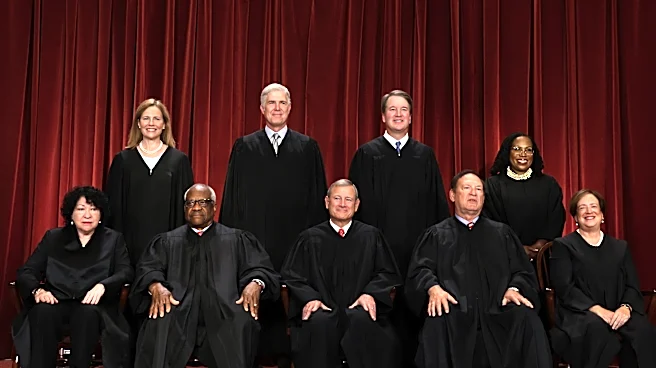
Chief Justice John Roberts has defended a Supreme Court decision that struck down a 91-year-old precedent, which previously barred the president from firing members of the Federal Trade Commission (FTC) except for reasons such as inefficiency, neglect
of duty, or malfeasance. The decision, passed with a 6-3 majority, has been criticized for potentially undermining the independence of multi-member commissions like the FTC. Roberts argued that the president must have the assistance of officers he can trust, framing the decision as necessary for effective governance. Critics, however, argue that this undermines the independence that allows such agencies to operate without fear of reprisal, potentially turning them into entities subservient to the president's whims.
Why It's Important?
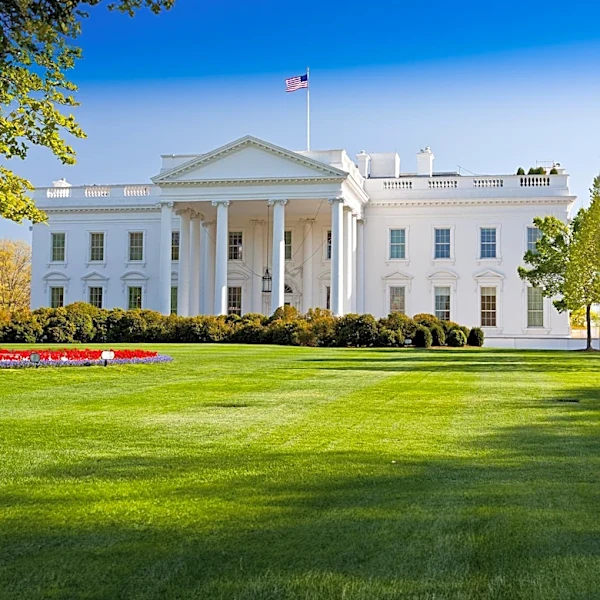
The decision has significant implications for the balance of power between the executive branch and independent regulatory agencies. By allowing the president to dismiss FTC members more freely, the ruling could lead to increased political influence over regulatory bodies, potentially affecting their ability to function independently. This shift may impact how regulations are enforced across various sectors, including consumer protection and antitrust laws. The decision reflects a broader judicial trend towards expanding executive power, raising concerns about the erosion of checks and balances that are fundamental to U.S. democracy.
What's Next?
The ruling may prompt legislative or judicial responses aimed at restoring or redefining the independence of regulatory agencies. Lawmakers and legal experts might explore new frameworks to ensure that these bodies can operate without undue political pressure. Additionally, the decision could influence future appointments to the FTC and similar agencies, as presidents may seek to appoint individuals more aligned with their policy goals. The broader implications for executive power and agency independence will likely continue to be a topic of debate and analysis.
Beyond the Headlines
The decision highlights a philosophical divide within the Supreme Court regarding the interpretation of executive power and the role of independent agencies. It raises questions about the long-term impact on governance and the potential for increased politicization of regulatory bodies. The ruling may also influence public trust in these agencies, as their perceived independence is crucial for maintaining credibility and effectiveness in enforcing regulations.