

What's Happening?
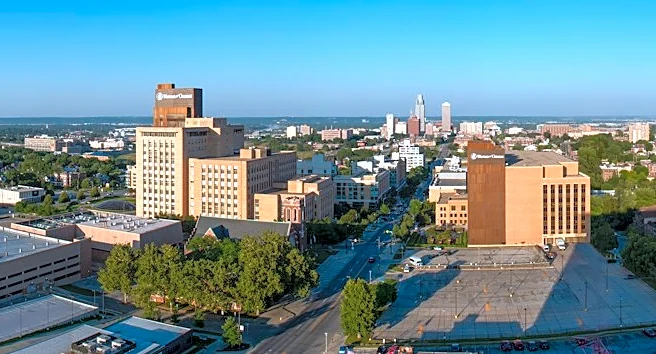
Omaha is undergoing a notable change in weather patterns, transitioning from milder conditions to significantly cooler temperatures. A cold front is sweeping through the region overnight, ushering in breezy northwest winds ranging from 15-30 MPH on Wednesday.
While Wednesday is expected to be dry with morning sunshine followed by afternoon and evening clouds, temperatures will be cooler, with highs in the mid-50s for Veterans Day. The cold trend will intensify, with temperatures near freezing by Thursday morning and highs only reaching the upper 40s. By Friday, highs will be in the mid-40s. A hard freeze is anticipated for Thursday and Friday nights, with air temperatures projected to drop into the mid to upper 20s. These temperatures are cold enough to kill most annual plants and pose a risk of freezing water pipes if not properly winterized. The weekend will start sunny and chilly, with Saturday highs near 50, and a chance of spotty rain showers on Sunday.
Why It's Important?
This significant shift in weather has several important implications for Omaha residents and local infrastructure. The impending hard freeze poses a direct threat to outdoor vegetation, requiring residents to take protective measures for plants. More critically, the sub-freezing temperatures could lead to frozen and burst water pipes in homes and businesses if proper winterization steps are not taken, potentially causing costly damage and disruptions. The colder weather also increases energy consumption for heating, which can impact utility costs for households and businesses. For agriculture, even in an urban setting, any remaining outdoor crops or sensitive plants could be affected. The change in conditions also impacts daily routines, requiring adjustments in clothing and travel plans, and highlights the need for preparedness for winter weather conditions, even in mid-November.
What's Next?
Residents in Omaha are advised to prepare for the colder weather and the anticipated hard freeze. This includes taking steps to protect outdoor plants, disconnecting garden hoses, and ensuring that exposed pipes are insulated or drained to prevent freezing. Property owners should also consider checking their heating systems to ensure they are in good working order. Local authorities and utility companies may issue advisories regarding energy conservation and safety tips for dealing with freezing temperatures. The forecast for the following week indicates a milder and wetter pattern, with temperatures in the 50s and potential rain after Tuesday or Wednesday. This suggests a temporary reprieve from the intense cold, but the immediate focus will be on managing the current cold snap and its potential impacts.
Beyond the Headlines
Beyond the immediate practical concerns, this weather shift underscores broader climate patterns and the variability of seasonal transitions. While a cold front in November is not unusual, the intensity of the drop to hard freeze conditions serves as a reminder of the importance of climate resilience and preparedness in urban environments. Such weather events can strain local infrastructure, from power grids to water systems, and highlight the need for robust municipal planning for extreme weather. For businesses, particularly those reliant on outdoor operations or sensitive to temperature fluctuations, these forecasts necessitate adaptive strategies. On a community level, awareness campaigns about winter preparedness become crucial, emphasizing collective responsibility in mitigating potential damages and ensuring public safety during periods of significant weather change.