
What's Happening?
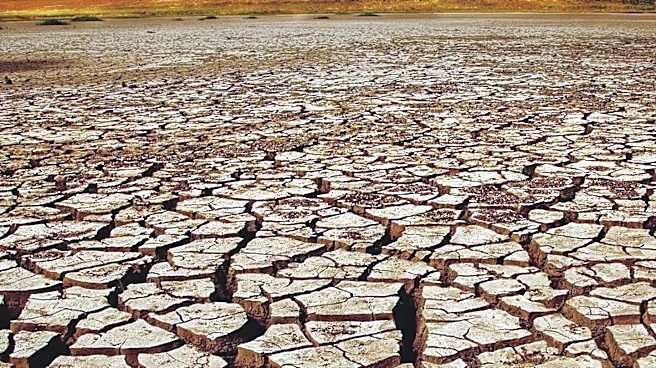
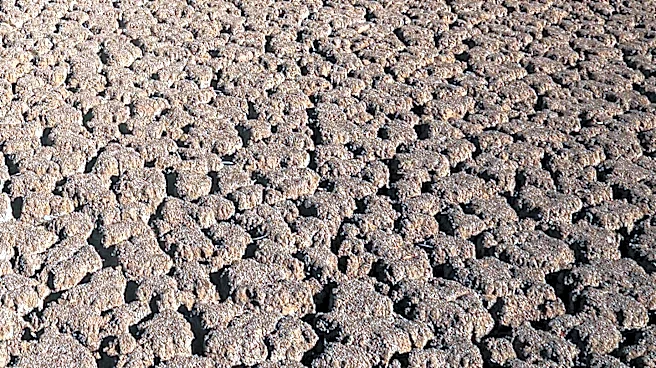
London's Kew Gardens, which has maintained a weather station since 1871, recorded its first calendar month without rain in 155 years. This event is part of a broader continent-wide drought affecting Europe, with record low water levels in major rivers
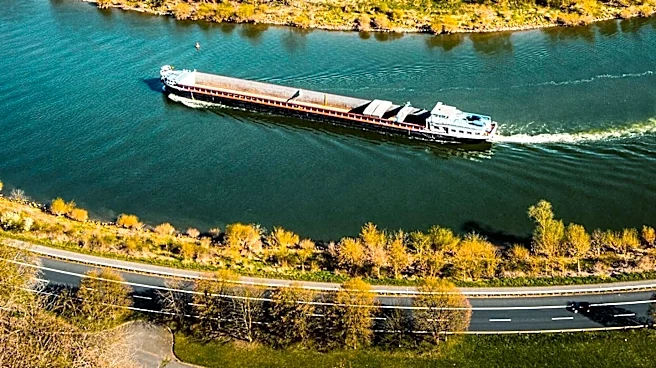
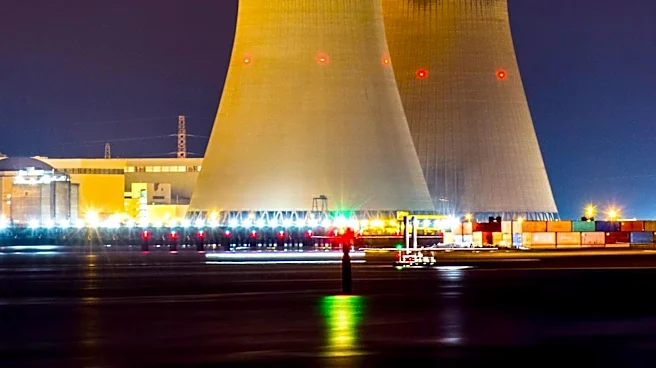
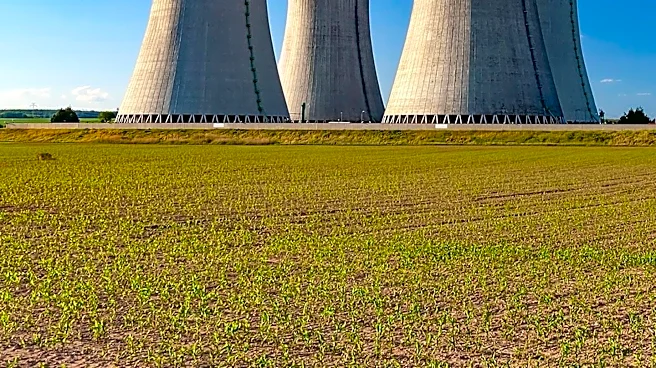
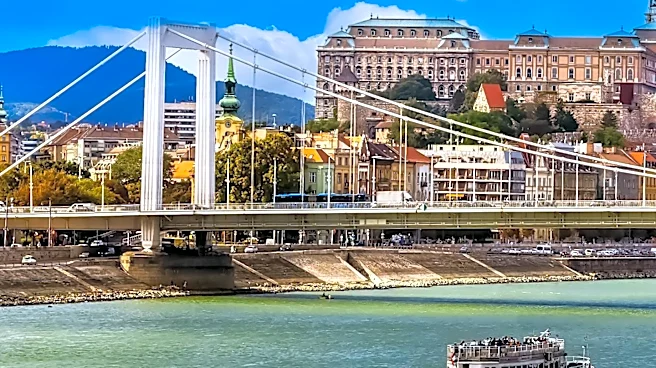
like the Danube and Rhine. The drought has forced Hungary to shut down its only nuclear power plant and has disrupted trade in Germany. The UK is facing a prolonged dry spell, with forecasters indicating little sign of the sustained rainfall needed to end the drought.
Why It's Important?
The unprecedented dry month in London highlights the severe impact of climate change on weather patterns and water resources. The drought poses significant challenges to energy production, agriculture, and trade across Europe. In the UK, the lack of rainfall could lead to water shortages, affecting both urban and rural areas. The situation underscores the need for robust climate adaptation and water management strategies to mitigate the effects of such extreme weather events.
What's Next?
With no immediate end to the drought in sight, authorities in the UK and across Europe may need to implement water conservation measures and explore alternative water sources. The situation could prompt discussions on long-term strategies to enhance resilience against climate change impacts. Stakeholders, including governments, businesses, and communities, will need to collaborate to address the challenges posed by the drought and ensure sustainable water management practices.