








What's Happening?
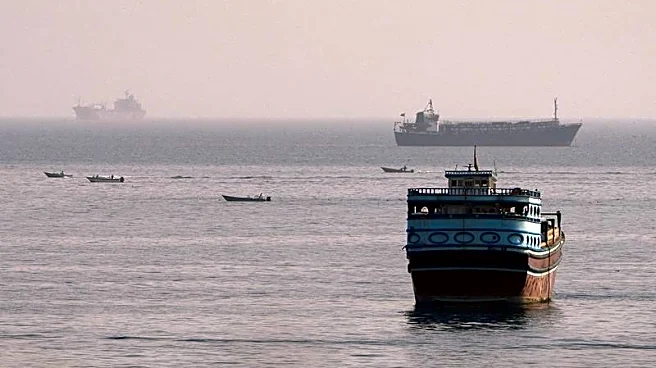
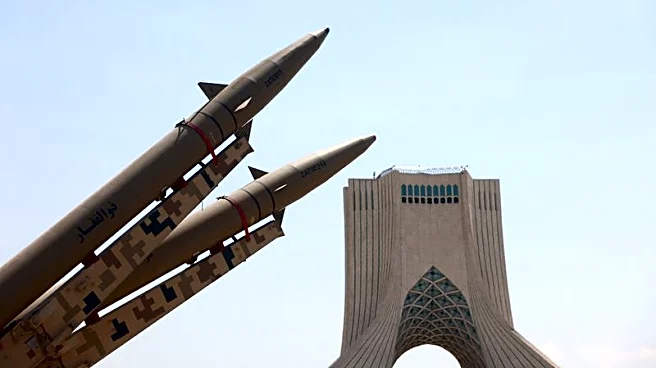
Tensions between the U.S. and Iran have led to significant fluctuations in global oil prices. Recent diplomatic efforts, particularly by Qatar, have aimed to resolve the conflict and restore traffic through the Strait of Hormuz. Despite these efforts, Iran has
denied U.S. President Trump's claims that talks are underway. The ongoing conflict has disrupted oil supplies, with Brent crude futures experiencing volatility. The situation remains fluid, with potential diplomatic breakthroughs influencing market stability.
Why It's Important?
The conflict between the U.S. and Iran has far-reaching implications for global energy markets. The Strait of Hormuz is a critical chokepoint for oil transportation, and any disruption can lead to significant economic consequences worldwide. The volatility in oil prices affects not only energy companies but also global economic stability. Diplomatic efforts to resolve the conflict are crucial for restoring market confidence and ensuring the uninterrupted flow of oil, which is vital for global economic health.
What's Next?
Continued diplomatic engagement is expected as stakeholders seek to de-escalate tensions and stabilize oil markets. The outcome of these efforts will be closely watched by global markets, with potential agreements likely to influence oil prices and economic forecasts. The situation underscores the importance of international cooperation in addressing geopolitical conflicts that impact global resources.