





What's Happening?
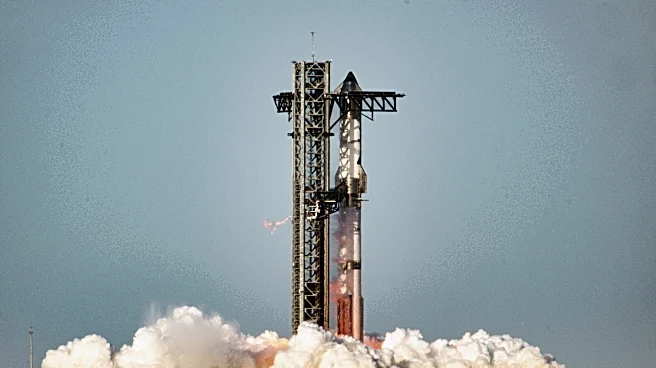
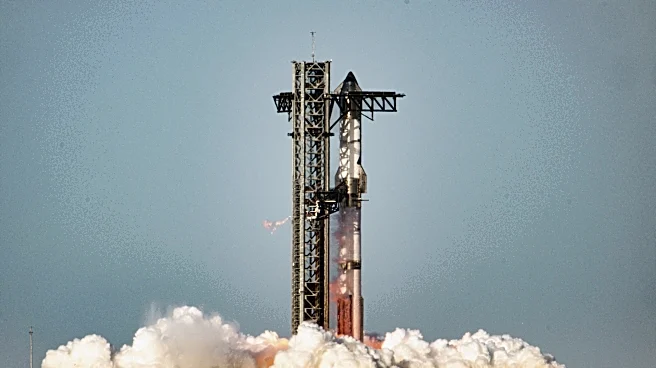
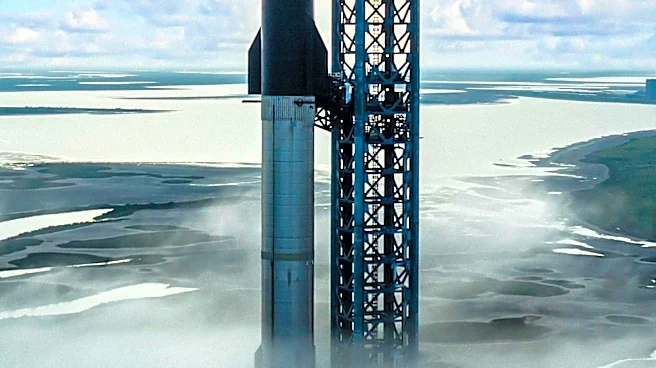
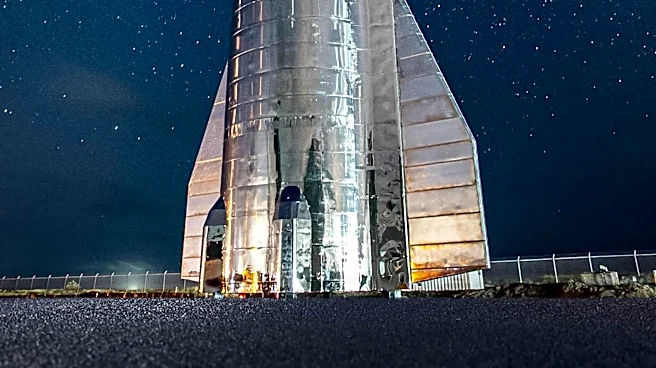
SpaceX is targeting Friday, November 13, for Starship Flight 15, a mission that aims to achieve the first-ever catch of the upper-stage Starship vehicle with its launch tower. This target date was announced by SpaceX VP of Launch Kiko Dontchev at the UP.Summit.
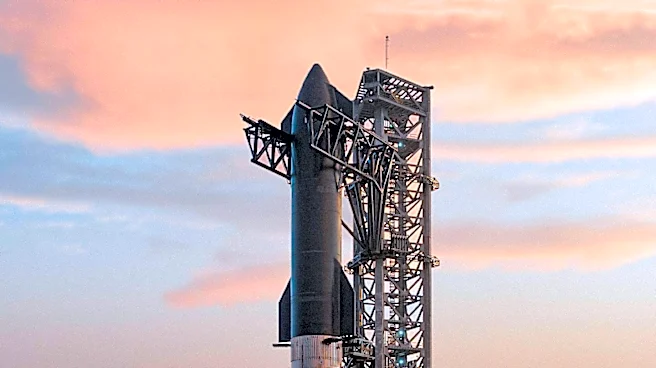
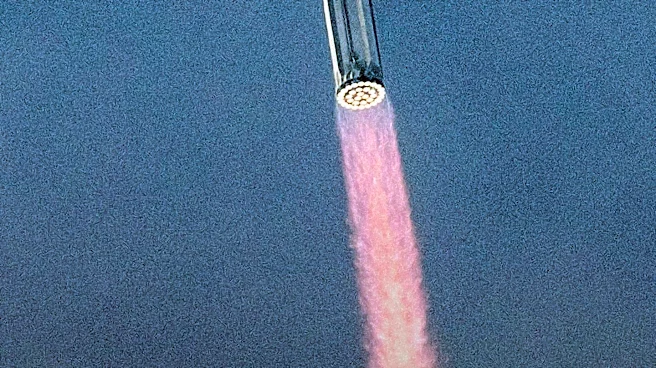
The company plans for both the Super Heavy booster and the Starship upper stage to return to the launch site for tower catches. This follows Flight 14 in late September, which successfully put Starship into orbit and deployed 26 Starlink V3 satellites. While SpaceX has successfully caught the Super Heavy booster multiple times, catching the Starship upper stage, which returns from orbital velocity, presents a more significant recovery challenge. The hardware for Flight 15, including Booster 22 and Ship 42, has undergone static fire testing and catch rehearsals. The primary remaining hurdle is regulatory approval, as the FAA's Starship page has not yet listed a license for Flight 15, though SpaceX President Gwynne Shotwell anticipates the license will cover return-to-launch-site and tower catches for both stages.
Why It's Important?
A successful catch of the Starship upper stage would mark a pivotal moment in space exploration and rocket reusability. Elon Musk has described this achievement as the 'first time that there’s been full recovery of an orbital class rocket.' This capability is crucial for SpaceX's long-term goals of rapid and cost-effective space access, enabling higher flight rates and reducing the expense of space launches. Full reusability of both stages of an orbital rocket system has been a long-standing objective in the aerospace industry, promising to revolutionize space travel by making it more akin to air travel in terms of operational efficiency. Achieving this milestone would significantly advance SpaceX's Starship program, which is central to its ambitions for lunar and Martian missions, as well as deploying its Starlink satellite constellation. The success of this mission would demonstrate a critical technological leap, potentially influencing future rocket designs and operational strategies across the global space sector.
What's Next?
The immediate next step for SpaceX is to secure the necessary regulatory approval from the FAA for Starship Flight 15. While the hardware is reportedly ready and the target date is set, the launch cannot proceed without the official license. If the launch occurs as planned on November 13, the world will be watching to see if SpaceX can successfully execute the complex maneuver of catching the Starship upper stage. Should the catch be successful, SpaceX plans for a subsequent mission, Flight 16, where both the booster and the ship would fly again, demonstrating rapid reusability. If the attempt is unsuccessful, Elon Musk has indicated that a steady stream of further attempts is lined up through the rest of the year, with an expected increase in launch cadence into 2027. The outcome of Flight 15 will significantly influence the pace and direction of the Starship program's development and its ambitious future missions.
Beyond the Headlines
The pursuit of full reusability with Starship represents a paradigm shift in space logistics, moving beyond the traditional expendable or partially reusable rocket models. This endeavor carries profound implications for the economics of space, potentially democratizing access to orbit and beyond by drastically reducing launch costs. The ability to rapidly reuse orbital-class rockets could accelerate scientific research, enable the deployment of larger and more complex space infrastructure, and facilitate human expansion into the solar system. Furthermore, the engineering challenges overcome in developing the Starship's recovery system, particularly the precise control required for an atmospheric re-entry and tower catch, push the boundaries of aerospace technology. This development could inspire innovations in other high-tech sectors, demonstrating advanced robotics, autonomous systems, and materials science. The success or failure of this mission will not only impact SpaceX but also set new benchmarks for the entire space industry, influencing national space programs and private ventures alike.