








What's Happening?
McPherson County, Nebraska, currently operates without a conventional, full-service grocery store, a situation that has persisted for over a century since its first grocery store opened in 1903. Residents of this county, located in Nebraska's Sandhills,
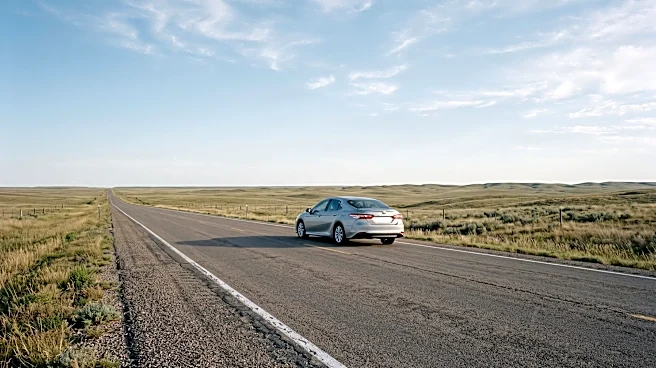
must travel approximately 35 miles to North Platte to access fresh produce, meat, dairy products, and other essential groceries. The county, covering about 859 square miles, had an estimated population of 369 in 2025. While small general stores or convenience shops might offer a limited selection of necessities, they do not provide the comprehensive range of products found in a full-service supermarket. This scenario is a significant change from the early 1900s when the county's population was higher, and local businesses, including grocery stores, were more prevalent.
Why It's Important?
The absence of a conventional grocery store in McPherson County highlights a critical issue facing many rural areas across the U.S.: limited access to fresh and affordable food. This situation, often referred to as a 'food desert,' significantly impacts the daily lives and well-being of residents. The necessity of traveling long distances for groceries imposes additional costs in terms of time, fuel, and vehicle maintenance, disproportionately affecting low-income individuals and the elderly. Furthermore, it can lead to reduced consumption of fresh produce and other healthy foods, potentially contributing to poorer health outcomes. The decline of local grocery stores also signifies a broader trend of economic contraction in rural communities, where small businesses struggle to compete with larger chains and changing demographics.
What's Next?
Addressing the lack of grocery access in McPherson County would likely require a multi-faceted approach, potentially involving local government initiatives, community-led efforts, or private sector investment. Solutions could include incentives for new grocery businesses to establish themselves in the area, the development of community-supported agriculture programs, or enhanced mobile grocery services. Additionally, policymakers might explore subsidies or transportation assistance programs to alleviate the burden on residents who must travel for groceries. The long-term viability of such solutions would depend on factors like population trends, economic development, and the willingness of various stakeholders to collaborate on sustainable food access strategies for rural communities.
Beyond the Headlines
The situation in McPherson County reflects a deeper societal challenge concerning rural development and equitable access to essential services. The historical context of the county, with its population peak in 1910 and subsequent decline due to drought and economic hardship, illustrates how environmental and economic shifts can profoundly alter community infrastructure. The loss of local grocery stores is not merely an inconvenience but a symptom of broader issues such as rural depopulation, the consolidation of agricultural industries, and the dominance of large retail chains. This trend raises questions about the sustainability of rural lifestyles and the role of government and community in preserving the quality of life in sparsely populated regions. It also underscores the importance of local food systems and resilient community planning in the face of ongoing demographic and economic changes.