





What's Happening?
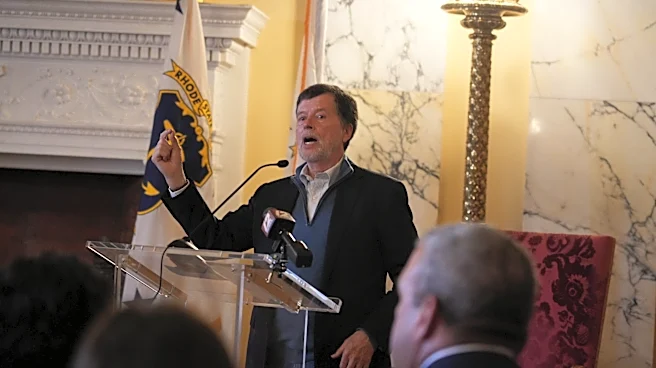
During the July 4th weekend, historians like Doris Kearns Goodwin and Ken Burns appeared on NBC's 'Meet the Press' to discuss the importance of historical perspective in understanding current national challenges. Goodwin emphasized that history provides
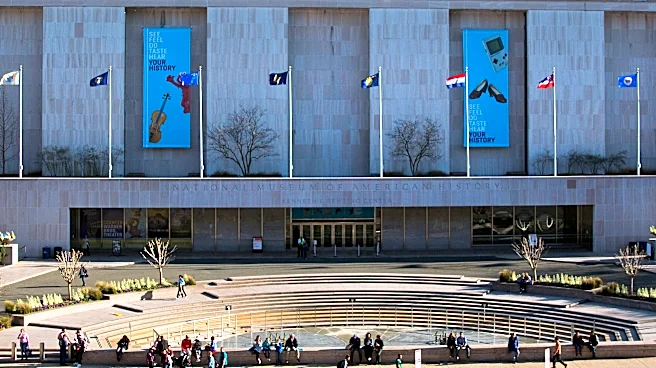
solace and hope, citing past crises such as the Civil War, the Great Depression, and World War II, where Americans faced uncertainty and fear. Ken Burns highlighted that history serves as a guide to digest the present and imagine a future together, noting that the nation has experienced deeper divisions in the past. The discussion was part of a special episode marking the nation's 250th birthday, featuring insights from Secretary of the Smithsonian Lonnie Bunch, who also spoke about the power of hope and finding common ground.
Why It's Important?
The discussion underscores the role of historical context in navigating contemporary issues, suggesting that understanding past challenges can foster resilience and unity. By reflecting on historical events where Americans overcame significant adversity, the conversation aims to inspire current generations to find hope and common ground amidst political and social divisions. This perspective is crucial as the nation grapples with polarization, offering a reminder that past generations have successfully navigated through even more severe divisions. The emphasis on hope and collective action highlights the potential for societal progress and unity, encouraging individuals to contribute to positive change.
What's Next?
The conversation may prompt further public discourse on the importance of historical education and its role in shaping civic engagement. As the nation continues to face challenges, there may be increased efforts to integrate historical lessons into public policy and education systems to foster a more informed and united citizenry. Stakeholders, including educators and policymakers, might explore initiatives to promote historical literacy as a tool for addressing contemporary issues. Additionally, the emphasis on hope and unity could influence future public dialogues and movements aimed at bridging societal divides.
Beyond the Headlines
The discussion also touches on the ethical and cultural dimensions of historical memory, suggesting that how history is taught and remembered can influence national identity and values. By highlighting the importance of individual contributions to social justice movements, the conversation encourages a culture of active citizenship and responsibility. This perspective may lead to a reevaluation of how historical narratives are presented in media and education, potentially fostering a more inclusive and comprehensive understanding of the nation's past.