







What's Happening?
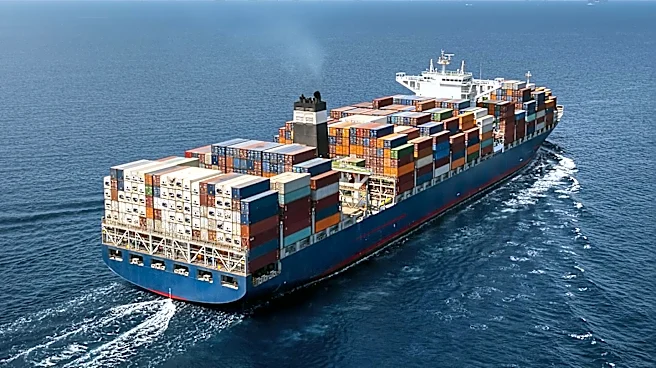
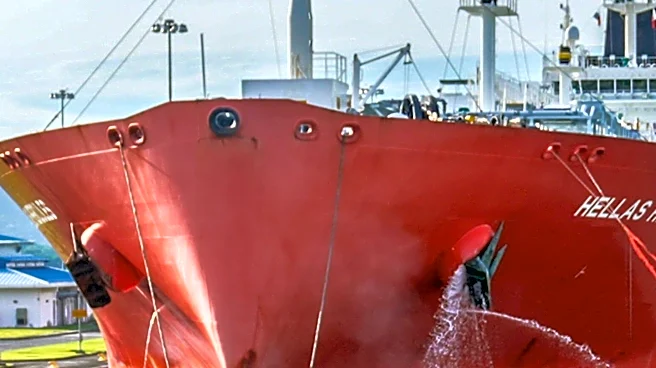
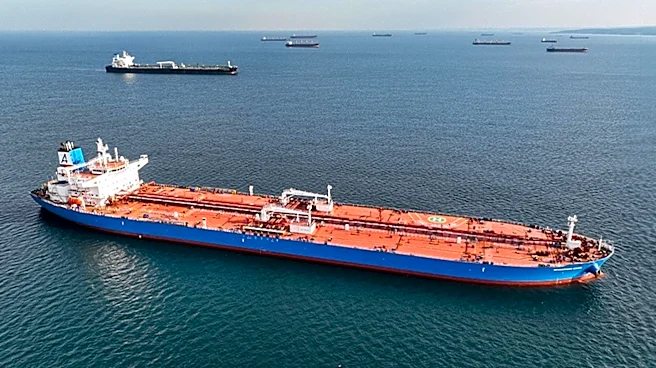
Despite escalating tensions between the U.S. and Iran, oil tanker traffic through the Strait of Hormuz persists, with at least two supertankers navigating the U.S.-protected route. The Nissos Kea and Nissos Heraclea, operated by Greece-based Kyklades
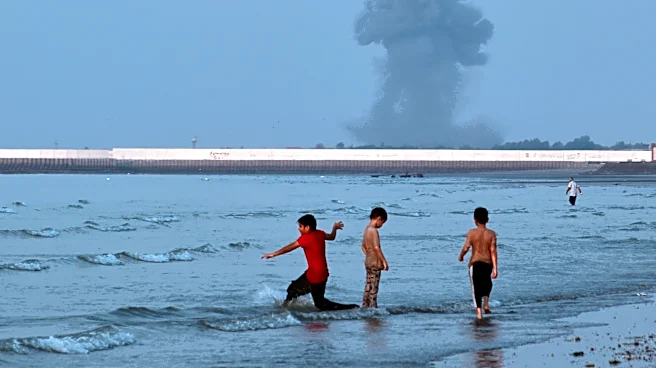
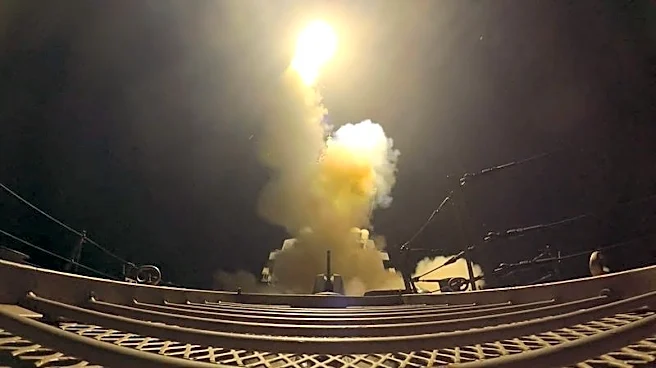
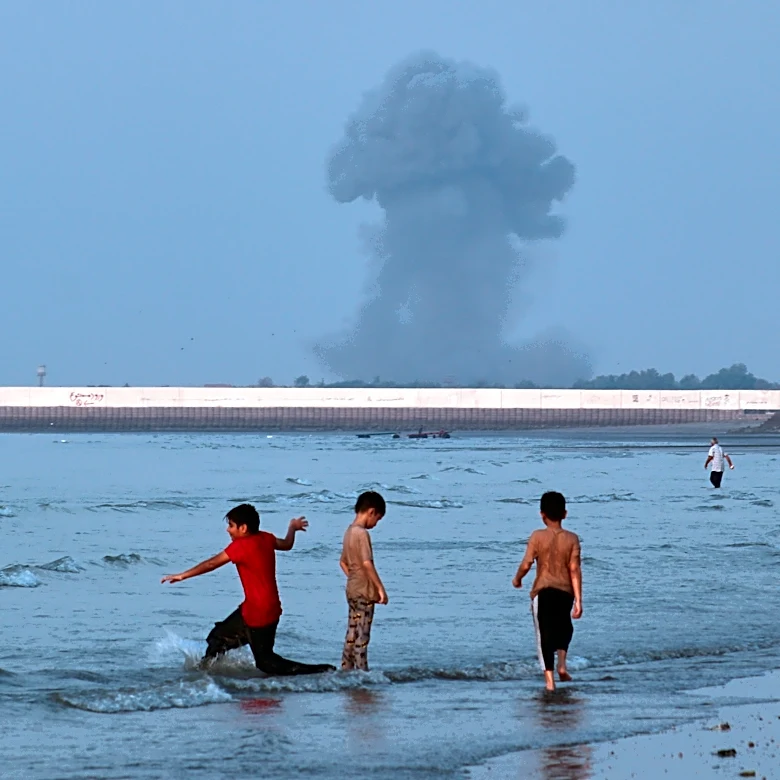
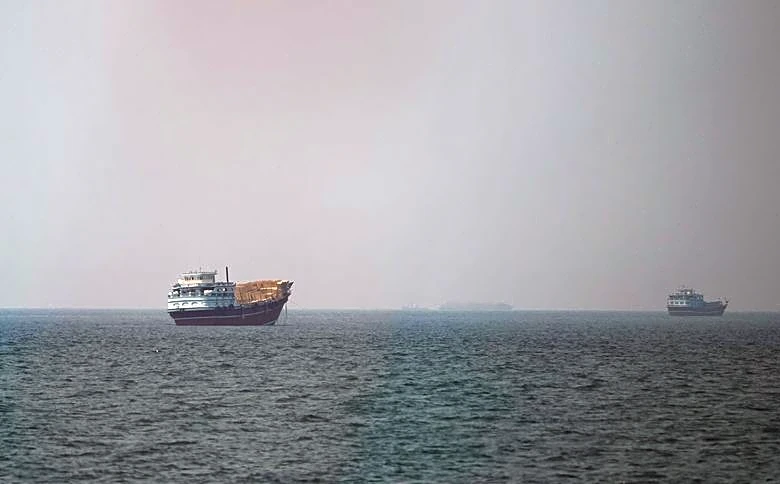
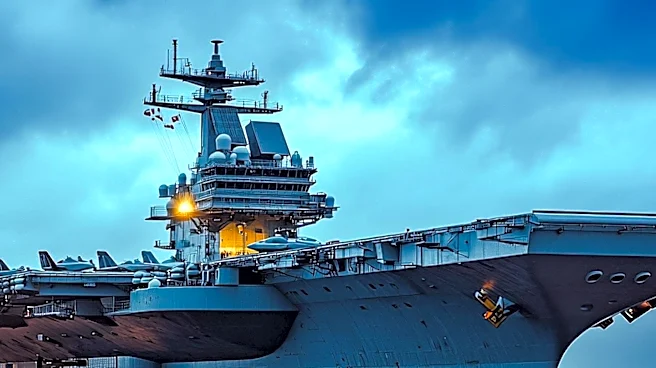
Maritime Corp, were observed crossing the strait amid renewed hostilities. The U.S. Central Command reported facilitating the transit of significant oil volumes since early May, despite Iranian claims of restricted routes. The ongoing conflict has led to a slowdown in observable tanker traffic, with some vessels reportedly taking 'dark' routes to avoid detection.
Why It's Important?
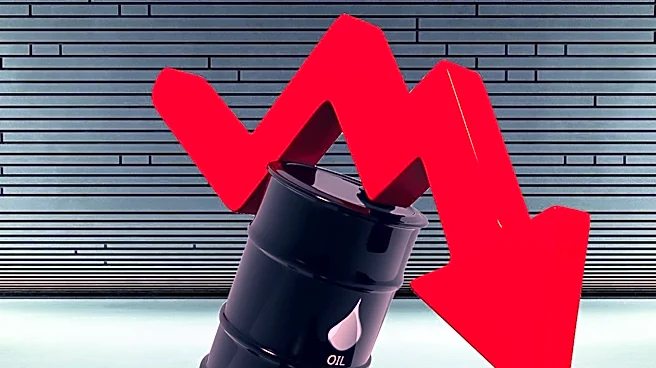
The Strait of Hormuz is a critical chokepoint for global oil supply, and disruptions could have significant implications for international energy markets. The continued passage of tankers highlights the strategic importance of maintaining open shipping lanes in the region. The situation underscores the potential for conflict to impact global oil prices and supply chains, affecting economies worldwide. The U.S. military's role in ensuring safe passage reflects broader geopolitical dynamics and the importance of securing energy resources.
What's Next?
Further escalation in the region could lead to increased military presence and potential confrontations, affecting shipping routes and oil supply. Diplomatic efforts may intensify to de-escalate tensions and ensure the security of maritime traffic. The international community, particularly oil-importing nations, will likely monitor the situation closely, with potential implications for energy policy and strategic reserves.