







What's Happening?
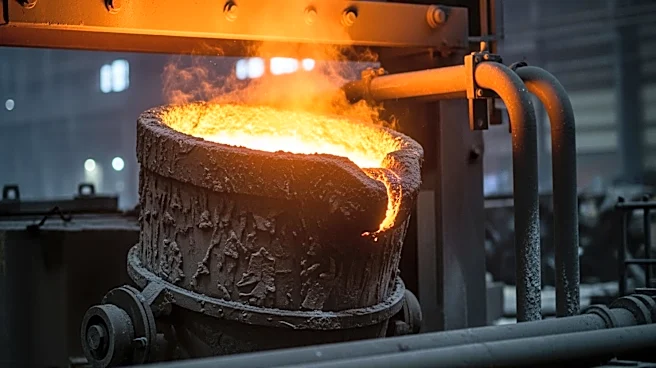
Indonesia's nickel industry is experiencing a reduction in production capacity utilization at rotary kiln electric furnace (RKEF) smelters, dropping from 84% to 76% due to a cut in nickel ore mining quotas. The Indonesian energy ministry has reduced the
2026 nickel ore production quota to between 260 million and 270 million metric tons, down from 320 million tons last year. This decision is a response to previous years' oversupply and depressed prices. Smelters in regions like South Sulawesi and Central Sulawesi have reduced production to less than 50% capacity to avoid costly shutdowns.
Why It's Important?
The reduction in nickel ore production in Indonesia, a leading global producer, has significant implications for the global nickel market. The cut in production quotas aims to stabilize nickel prices, which have been pressured by oversupply. This move could lead to a tighter supply in the market, potentially driving up prices. For industries reliant on nickel, such as stainless steel manufacturing and electric vehicle battery production, this could mean increased costs. The decision reflects Indonesia's strategic approach to managing its natural resources and influencing global commodity markets.
What's Next?
As Indonesia adjusts its production quotas, the global nickel market may experience fluctuations in supply and pricing. Stakeholders, including smelters and international buyers, will need to monitor these changes closely. The Indonesian government may continue to adjust quotas based on market conditions to maintain price stability. Additionally, companies like Weda Bay Nickel, which have halted production due to quota limitations, may seek additional quotas to resume operations. The ongoing management of production levels will be crucial in preventing a surplus and ensuring sustainable market conditions.