





What's Happening?
A federal judge has permanently blocked Alabama from executing an inmate using nitrogen gas, ruling that the method violates the U.S. Constitution's ban on cruel and unusual punishment. U.S. District Judge Emily Marks issued the ruling after an appeals
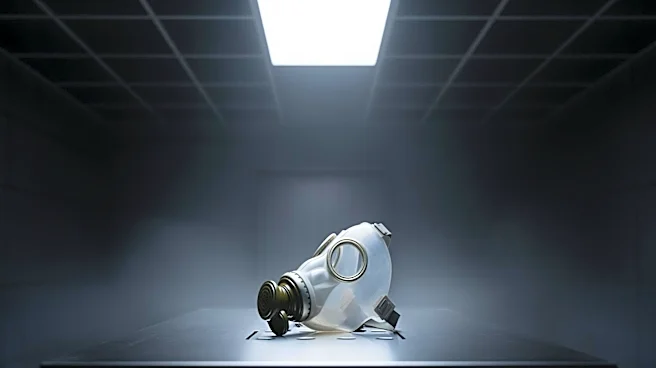
court reversed her initial finding that the method was constitutional. The decision prevents the state from executing Jeffrey Lee, who was scheduled to be executed using nitrogen gas. Alabama began using nitrogen gas for executions in 2024, but the method has faced criticism for the potential suffering it causes. The ruling highlights ongoing legal challenges to execution methods in the U.S.
Why It's Important?
The ruling is significant as it challenges the constitutionality of a controversial execution method that Alabama has used since 2024. The decision could influence other states considering similar methods and adds to the ongoing debate over humane execution practices. The case may eventually reach the U.S. Supreme Court, which has not yet ruled a state's execution method unconstitutional. The ruling also underscores the broader legal and ethical challenges surrounding capital punishment in the U.S., potentially affecting future legislation and judicial decisions on execution methods.
What's Next?
Alabama's Attorney General is appealing the decision, indicating that the legal battle over nitrogen gas executions is far from over. The case could set a precedent for other states and may prompt further scrutiny of execution methods nationwide. If the case reaches the Supreme Court, it could lead to a landmark decision on the constitutionality of execution methods, potentially reshaping the landscape of capital punishment in the U.S.