







What's Happening?
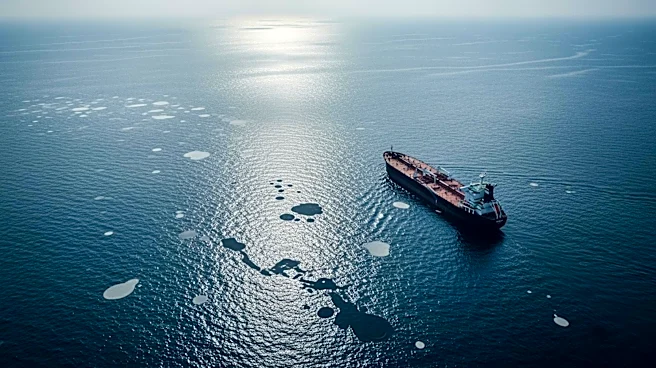
The U.S. Treasury Department has announced an extension of its waiver on sanctions against Russian oil shipments. This decision comes in response to shortages caused by the ongoing conflict in Iran. The waiver, known as a general license, allows for a 30-day
exemption from U.S. sanctions on Russian oil that was loaded onto tankers as of the announcement date. This move follows a similar 30-day license issued in March, which applied to oil loaded by March 11. The extension highlights the impact of the Iran war on global oil supplies and Russia's increased ability to benefit from its energy exports, despite previous restrictions due to its actions in Ukraine.
Why It's Important?
The extension of the waiver on Russian oil sanctions is significant as it reflects the complex geopolitical landscape and the challenges in balancing international sanctions with global energy needs. The decision underscores the U.S. government's pragmatic approach to addressing immediate energy shortages, even if it means temporarily easing restrictions on a country like Russia, which has been under scrutiny for its actions in Ukraine. This move could have implications for global oil markets, potentially stabilizing prices in the short term but also raising questions about the long-term effectiveness of sanctions as a tool for international diplomacy. Stakeholders in the energy sector, including oil companies and consumers, may experience relief from potential price spikes, while policymakers must navigate the delicate balance of maintaining pressure on Russia while addressing immediate supply concerns.
What's Next?
The U.S. Treasury's decision to extend the waiver is likely to prompt discussions among international allies and within the U.S. government about the future of sanctions and energy policy. As the 30-day period progresses, stakeholders will be closely monitoring the situation in Iran and its impact on global oil supplies. The U.S. may need to reassess its strategy if the conflict persists or escalates, potentially leading to further extensions or adjustments in policy. Additionally, there may be diplomatic efforts to find alternative solutions to the energy shortages, such as increasing production from other sources or negotiating with other oil-producing nations.