



What's Happening?
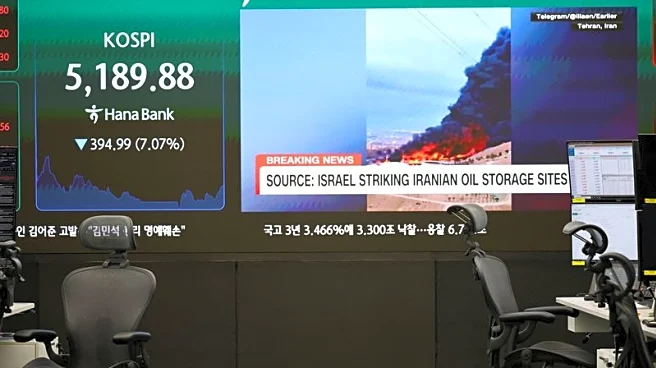
As geopolitical tensions involving the United States, Israel, and Iran continue to affect global air travel, airlines and airports are prioritizing safety and risk management. The conflict has led to airspace closures and restrictions across the Middle
East, forcing airlines to reroute flights and redesign network flows. Aviation experts emphasize the importance of monitoring military developments and Notices to Air Missions (NOTAMs) to avoid conflict zones. Airports near these areas are expanding risk assessments to protect ground operations and passenger movements. Dynamic airspace management is crucial as airlines adapt to rapidly changing conditions, often resulting in longer flight routes and increased operational costs.
Why It's Important?
The ongoing geopolitical conflicts pose significant challenges to the aviation industry, impacting operational efficiency and financial stability. Airlines face increased fuel costs and logistical complexities due to rerouted flights, while insurers may reassess coverage for operations in conflict zones. The situation underscores the need for robust contingency plans and real-time risk monitoring to safeguard passengers, crew, and assets. The ability to adapt quickly to changing airspace conditions is vital for maintaining safe and efficient flight corridors, highlighting the critical role of coordination with air navigation service providers and regulators.
What's Next?
Airlines and airports will continue to monitor geopolitical developments closely, adjusting their strategies as necessary to ensure safety and operational continuity. Communication with passengers and regulatory authorities will remain a priority to maintain trust and provide timely updates on travel conditions. The industry may also see increased collaboration with governments to organize evacuation or repatriation flights if commercial services are disrupted. As the situation evolves, aviation professionals will focus on enhancing their risk management frameworks to better navigate future geopolitical challenges.