



What's Happening?
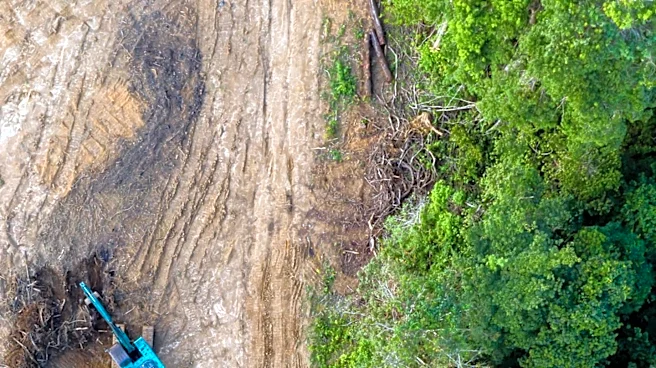
Boreal forests, which span North America, Europe, and Asia, are extensively managed for timber production, often employing clearcutting. Clearcutting, a method that removes most or all trees from an area, significantly alters habitats for forest species.
A study conducted by the University of Turku, in collaboration with the University of Helsinki, investigated the effects of clearcutting on resident forest birds in Southwest Finland. Unlike previous research that focused on migratory species, this study specifically examined birds that remain in these forests year-round, as they are more susceptible to local habitat changes. Using Passive Acoustic Monitoring (PAM), researchers collected bird vocalization data before and after clearcutting operations. The analysis, which combined Artificial Intelligence and manual effort, identified and analyzed the vocalizations of 12 resident forest bird species from thousands of hours of recordings. The findings indicate that intensive clearcutting negatively affects biodiversity in boreal forests, highlighting the need for a balance between timber production and biodiversity conservation.
Why It's Important?
The findings of this research are important for understanding the ecological consequences of current forest management practices, particularly clearcutting, on biodiversity in boreal forests across North America and Europe. Resident forest birds serve as indicators of ecosystem health, and their decline suggests broader environmental degradation. The study underscores the challenge of balancing economic activities, such as timber production, with conservation efforts. If clearcutting continues without modifications, it could lead to long-term shifts in forest ecosystems, impacting not only bird populations but also the overall health and resilience of these vital forests. This has implications for U.S. forest management policies and practices, as similar clearcutting methods are used in North American boreal forests. The research emphasizes the need for more sustainable forestry practices that can mitigate biodiversity loss while still supporting the timber industry.
What's Next?
Further research is needed to determine the long-term persistence of clearcutting's effects on bird populations and to identify alternative forestry practices that better support wildlife. The study suggests that sustainable forest management may not be a single solution but rather a combination of approaches aimed at reducing biodiversity loss while maintaining productive forests. This could involve exploring selective logging, longer rotation periods, or retaining more standing deadwood and snags to provide habitat. Policymakers and forest managers in the U.S. and other boreal regions may need to re-evaluate existing clearcutting regulations and consider incorporating more biodiversity-friendly practices. The insights gained from listening to resident birds could inform the development of new conservation strategies and management plans, potentially leading to a more integrated approach to forest resource management that prioritizes both economic and ecological sustainability.
Beyond the Headlines
The study's use of Passive Acoustic Monitoring (PAM) and Artificial Intelligence represents a significant advancement in ecological research, offering a non-invasive and efficient method for monitoring wildlife responses to environmental changes. This technological approach could revolutionize how biodiversity is assessed and tracked in various ecosystems, providing more comprehensive data for conservation efforts. The ethical dimension of forest management is also highlighted, as the research implicitly questions the sustainability of practices that prioritize economic output over ecological integrity. The long-term shifts triggered by intensive clearcutting could lead to a less diverse and resilient forest ecosystem, potentially impacting ecosystem services such as carbon sequestration, water purification, and soil stability. This research contributes to a growing body of evidence advocating for a paradigm shift in forestry, moving towards practices that recognize the intrinsic value of biodiversity and the interconnectedness of forest ecosystems.