






What's Happening?
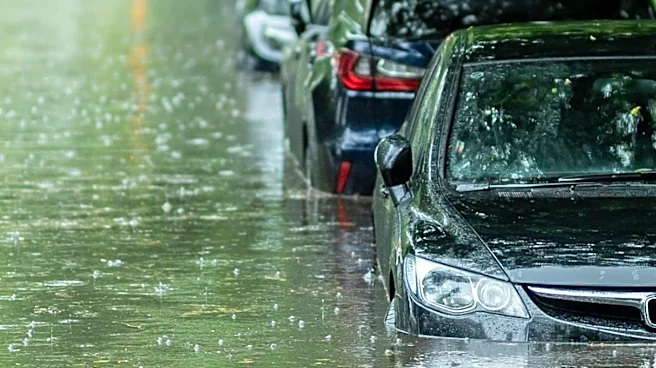
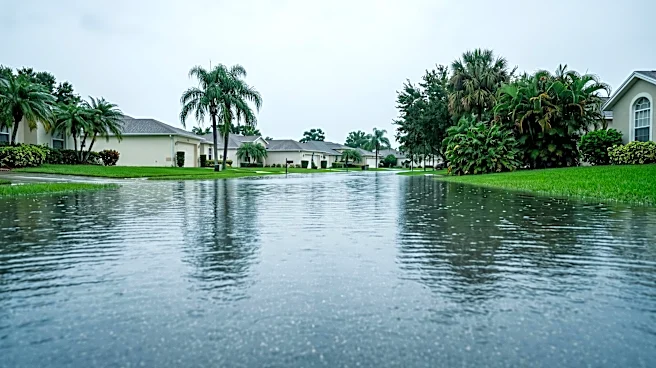
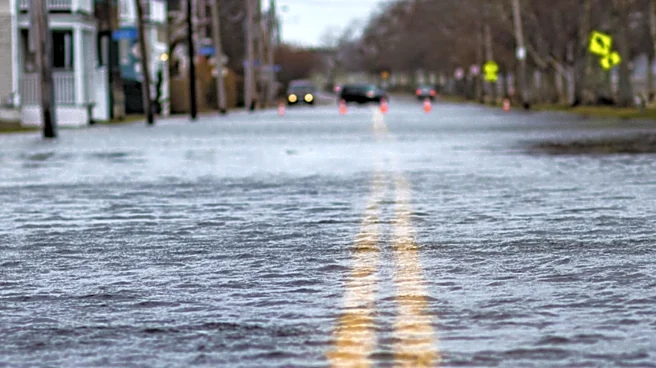
Widespread heavy rainfall overnight and into the early morning hours caused significant flooding and traffic disruptions across South Florida. Flood advisories were issued, and although they expired by 6:30 a.m., standing water and flooding were visible
in many areas, with 2-4 inches of accumulation since midnight. Hallandale Beach authorities blocked off roads and advised residents to follow barricades and seek alternate routes due to the flooding. The persistent rain made for a challenging morning commute in parts of Broward and coastal Miami-Dade counties. Several crashes were reported on major roadways, including Interstate 595, the Dolphin Expressway (State Road 836), and Florida's Turnpike, leading to blocked lanes. The National Weather Service urged drivers to exercise caution, reiterating the 'turn around, don't drown' message. While showers lightened later in the morning, scattered storms are still anticipated for the day, maintaining a risk of further flooding.
Why It's Important?
The extensive flooding in South Florida underscores the region's vulnerability to heavy rainfall and its significant impact on daily life and infrastructure. The disruption to major roadways, including multiple crashes and blocked lanes, highlights the economic and logistical challenges posed by such weather events. Commuters face delays, increased accident risks, and potential damage to vehicles, while businesses may experience reduced foot traffic and supply chain interruptions. The need for road closures and the National Weather Service's warnings emphasize the public safety concerns associated with driving through floodwaters. This event also brings to light the ongoing strain on emergency services, which must respond to accidents and assist stranded individuals. As South Florida is particularly susceptible to intense weather patterns, these incidents serve as critical reminders of the importance of robust urban planning, drainage systems, and public awareness campaigns to mitigate the effects of future flooding.
What's Next?
While flood advisories have expired, South Florida residents should remain cautious as scattered storms are still expected throughout the day, posing continued risks of localized flooding. Authorities will likely continue to monitor weather conditions closely and issue further advisories or road closures as needed. Drivers are advised to stay informed about weather updates and road conditions, planning their commutes accordingly. In the longer term, this event may prompt further discussions and investments in improving South Florida's drainage infrastructure and flood mitigation strategies. Public awareness campaigns on flood safety, particularly the dangers of driving through standing water, are also likely to continue. The region's experience with such heavy rainfall events will inform ongoing efforts to enhance resilience against future weather-related challenges.
Beyond the Headlines
The recurrent flooding in South Florida due to heavy rains points to a deeper issue of urban resilience in a region highly susceptible to climate change impacts, including rising sea levels and more intense precipitation events. Beyond the immediate inconvenience and safety concerns, these floods can lead to long-term consequences such as property devaluation, increased insurance costs, and potential displacement of residents. The strain on infrastructure, including roads and drainage systems, highlights the need for significant investment in climate-adaptive solutions. Furthermore, the economic impact extends beyond direct damages, affecting tourism, local commerce, and the overall regional economy. This situation underscores the urgent need for comprehensive, forward-thinking strategies that integrate climate science into urban planning, infrastructure development, and emergency preparedness to safeguard communities against the escalating threats of extreme weather.