



What's Happening?
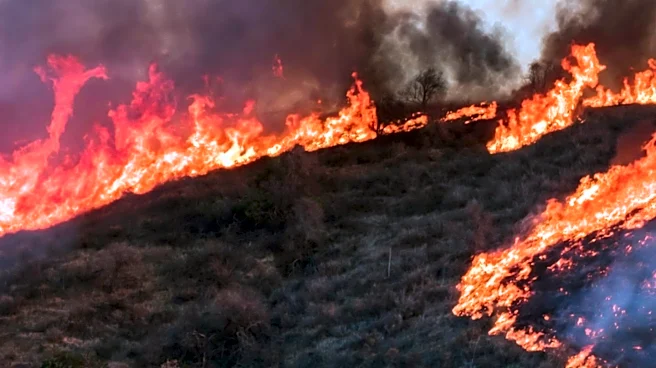
Wildfires are increasing in frequency and severity globally, with significant impacts across Europe, Canada, and the United States. The 2026 summer fire season saw major conflagrations in Mediterranean and southern European regions, affecting countries
like Portugal, Spain, France, Italy, and Greece, with Ireland and the UK also experiencing fires beyond historic norms. These events followed periods of varied rainfall and drought, exacerbated by widespread heatwaves. Canada faced extensive wildfires impacting populated and Indigenous communities, while the U.S. experienced escalating wildfire commitments and impacts, leading to property and life losses, including firefighters. Indonesia and other parts of Asia are also dealing with major wildfire threats. The smoke and greenhouse gas emissions from these fires are affecting distant areas and atmospheric dynamics, creating an unsustainable situation. International cooperation, such as mutual response agreements within the EU and resource-sharing between Australia, New Zealand, the U.S., and Canada, has been activated to address these challenges. The UN Global Fire Management Hub established an Interoperability Working Group in 2025 to tackle these issues.
Why It's Important?
The escalating global wildfire crisis poses significant threats to life, property, and the environment, impacting economies and lifestyles worldwide. The increased intensity and frequency of these fires strain emergency response systems, highlighting the limitations of traditional firefighting methods. The need for international interoperability and integrated fire management is crucial, as different agencies and countries often have varying training, equipment, and operational cultures. This lack of seamless coordination can hinder effective response and resource deployment. The economic impact includes direct losses from property destruction, disruptions to industries, and long-term health consequences from smoke exposure. Furthermore, the environmental damage, including greenhouse gas emissions and destruction of ecosystems, contributes to climate change feedback loops. The situation underscores the urgency for proactive land management strategies, such as prescribed burning, to mitigate fuel loads and prevent catastrophic fires, rather than solely relying on reactive suppression efforts.
What's Next?
The focus is shifting towards proactive measures and integrated fire management strategies. The UN Fire Hub is actively promoting Integrated Fire Management, emphasizing prescribed burning and comprehensive land management practices to address all aspects of living with and managing fire in landscapes. Following unsustainable wildfire seasons, Canada has initiated a national prescribed fire training program, which is expanding its scope and delivery nationwide. This indicates a growing recognition of the importance of managing the environment before wildfires ignite. Continued efforts will involve refining cross-walking processes for international resource sharing to align roles, skills, and training among participating countries like Australia and the United States. The Interoperability Working Group established by the UN Fire Hub will continue to address current and emerging challenges in global wildfire management, aiming to improve coordination and effectiveness across diverse agencies and organizations involved in fire response.
Beyond the Headlines
The increasing global wildfire crisis reveals deeper systemic issues beyond immediate fire suppression. It highlights the critical need for a paradigm shift from reactive firefighting to proactive, integrated fire management that incorporates ecological principles. The reliance on traditional methods like water application and aerial drops is proving insufficient against the scale and intensity of modern conflagrations, underscoring the importance of managing vegetation and fuels before fires start. This involves a cultural change within fire services and land management agencies, fostering mutual respect and communication across diverse organizations, including metropolitan fire services, forestry departments, military, and private aerial firefighting sectors. The long-term implications include the need for sustained investment in training and development for firefighters and managers to acquire a practical understanding of fire behavior through prescribed burning. This also brings to light the socio-economic disparities, as modern building standards offer little protection to historic towns, older suburbs, and disadvantaged populations, necessitating broader community resilience strategies.