




What's Happening?
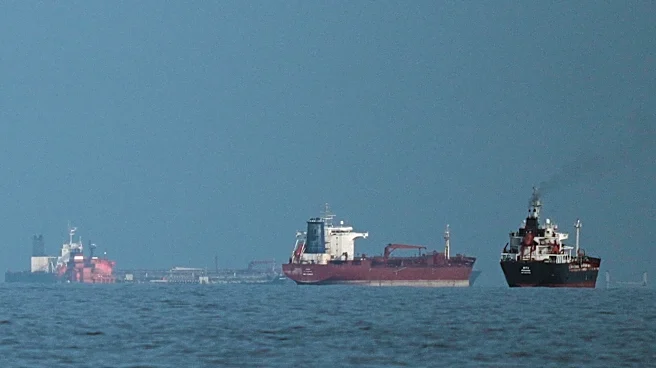
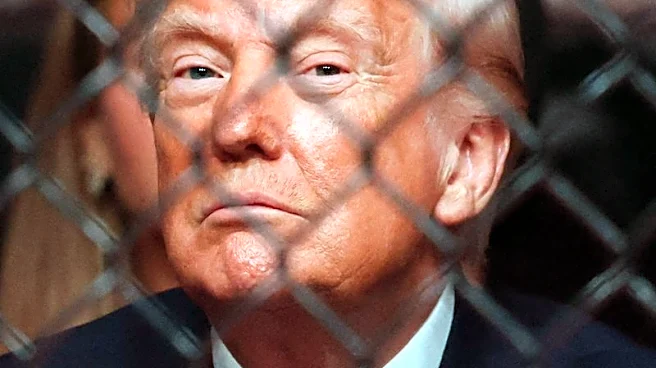
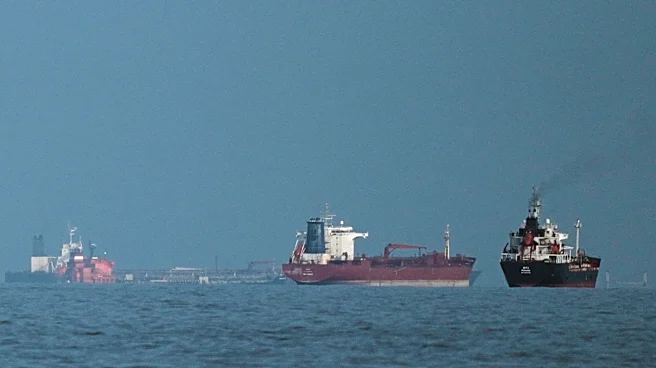
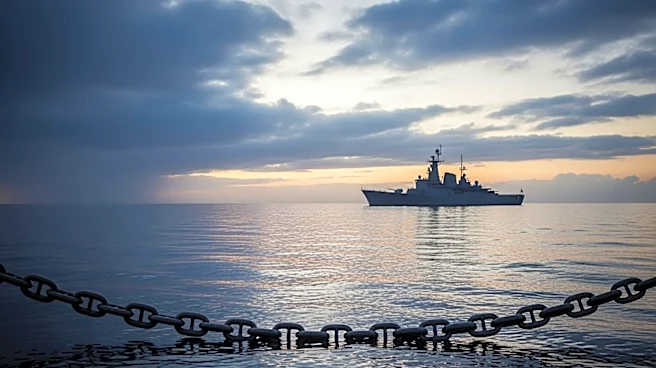
The United States has initiated a naval blockade against Iran, effective Monday, as part of escalating tensions following the collapse of peace negotiations over Iran's nuclear program. The blockade, announced by President Trump, aims to restrict traffic
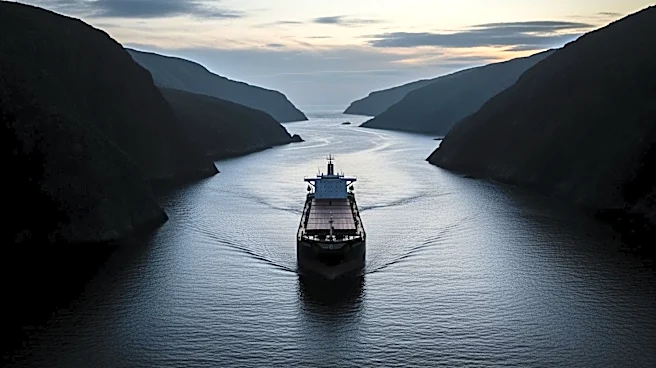
through the Strait of Hormuz, a critical passage for global oil shipments. This move comes as oil prices surge past $100 a barrel, reflecting market concerns over potential disruptions. The blockade is intended to cut off Iran's oil exports, thereby impacting its economy. However, Iran has responded with threats of retaliation, warning that no port in the region will be safe if its ports are threatened. The situation remains tense as the ceasefire is set to expire in nine days, raising questions about the potential resumption of hostilities.
Why It's Important?
The blockade represents a significant escalation in U.S.-Iran relations, with potential global economic repercussions. The Strait of Hormuz is a vital chokepoint for oil and other commodities, and any disruption could lead to increased global oil prices, affecting economies worldwide. The U.S. strategy aims to pressure Iran economically, potentially forcing it to reconsider its nuclear ambitions. However, the blockade also risks military confrontation, as Iran has capabilities to challenge U.S. naval forces in the region. The situation could also strain U.S. relations with other countries dependent on Gulf oil, including China, which may be pressured to influence Iran. The blockade underscores the complexities of international diplomacy and the challenges of addressing nuclear proliferation.
What's Next?
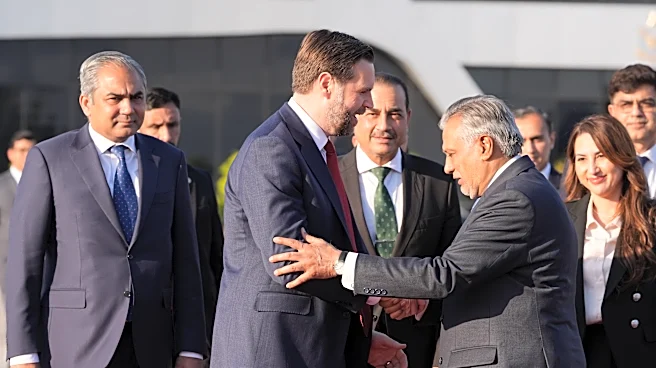
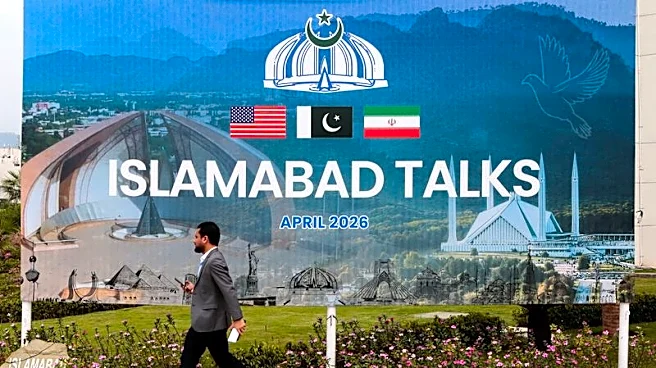
As the blockade takes effect, the international community is watching closely for Iran's response. The potential for military conflict looms, with both sides maintaining firm stances on key issues. Diplomatic efforts may continue behind the scenes, with Pakistan playing a mediating role. The expiration of the ceasefire on April 22 could be a critical juncture, determining whether hostilities resume. The U.S. may face pressure to clarify its blockade strategy and manage the economic fallout. Meanwhile, Iran's response will be crucial in shaping the next phase of this geopolitical standoff.