






What's Happening?
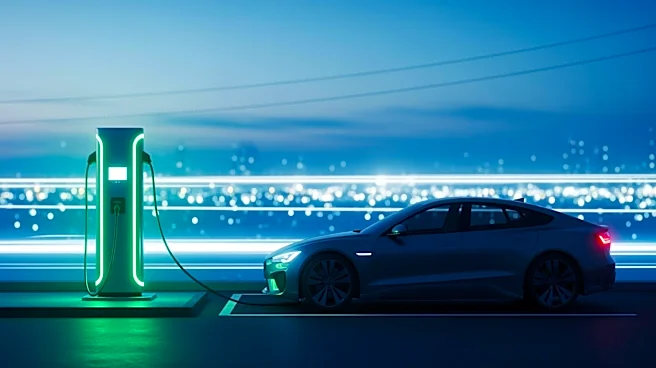
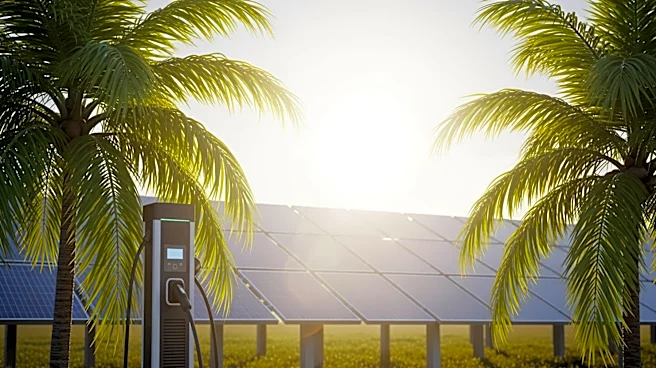
Researchers have proposed using electric vehicles (EVs) to stabilize power grids in tropical cities during solar energy fluctuations caused by thunderstorms. The study, led by civil engineer Markus Schläpfer, suggests that EV batteries can serve as temporary
energy sources when solar generation is disrupted. This approach could reduce the need for costly infrastructure upgrades in dense urban areas. By connecting EVs to the grid, cities can balance energy supply and demand more efficiently, ensuring reliability during short-lived power interruptions. The research highlights the potential of integrating EVs into urban energy systems to enhance sustainability.
Why It's Important?
The integration of EVs into power grids represents a significant advancement in urban energy management. As cities increasingly rely on solar energy, addressing the challenges of intermittent power supply is crucial for maintaining grid stability. This approach not only leverages existing EV infrastructure but also promotes the adoption of clean energy technologies. By reducing the need for new transmission lines, cities can lower costs and minimize environmental impacts. The study's findings could influence urban planning and energy policies, encouraging the development of smart grid solutions that incorporate renewable energy and electric vehicles.
Beyond the Headlines
The use of EVs as energy storage solutions raises questions about the future of urban mobility and energy systems. As more cities adopt this model, there may be increased demand for EVs and related infrastructure, driving innovation in battery technology and grid management. Additionally, the approach highlights the importance of cross-sector collaboration between transportation and energy industries. The potential for EVs to contribute to energy resilience and sustainability could reshape urban environments, promoting cleaner, more efficient cities.