



What's Happening?
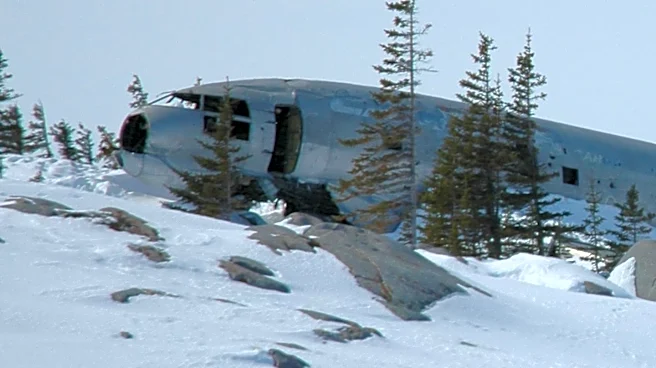
National Transportation Safety Board (NTSB) investigators have identified the final two passengers, Joseph “Joe” Palmer and Tom Fisher, among the eight people killed in a plane crash near a Southwest Alaska radar site on August 20. The twin-engine turbo
prop Cessna Conquest, operated by Security Aviation and contracted by the U.S. Army Corps of Engineers, crashed into mountainous terrain near the Cape Newenham Long Range Radar Site Airport while attempting to land in foggy conditions. All six passengers were traveling to the radar site to support routine maintenance and inspection of a new fire suppression system. Palmer was a project manager with Brice Builders, and Fisher was a mechanical program manager with Brice Services, both subsidiaries of Calista Corp. The NTSB’s preliminary report is expected next week, with a final report, including a probable cause finding, not anticipated until next year at the earliest. The two pilots involved in the crash have not yet been identified, pending completion of the identification process by the State Medical Examiner Office.
Why It's Important?
The identification of all passengers in the Southwest Alaska plane crash brings a measure of closure to the families and communities affected by this tragic event. The incident highlights the inherent risks associated with air travel, particularly in challenging weather conditions and remote locations like Alaska. The involvement of a government-contracted flight underscores the critical role of private aviation services in supporting essential infrastructure, such as radar sites vital for national airspace monitoring. The ongoing NTSB investigation is crucial for understanding the contributing factors to the crash, which could lead to improved safety protocols, regulations, and operational standards for similar flights. This investigation's findings will be important for aviation companies, government contractors, and regulatory bodies to prevent future accidents. The loss of individuals like Palmer and Fisher, who were supporting critical infrastructure, also emphasizes the human cost of maintaining these remote facilities.
What's Next?
The National Transportation Safety Board (NTSB) is expected to release its preliminary report on the crash next week, which will provide initial details of the investigation. A six-member NTSB team is currently assigned to the case, and a final report, including a probable cause finding, is not anticipated until next year at the earliest. The State Medical Examiner Office is still working to identify the two pilots involved in the crash, and their names will be released once that process is complete. The U.S. Army Corps of Engineers, as the contracting entity, will likely review the findings of the NTSB investigation to assess any implications for future contracts and safety requirements for flights to remote radar sites. Security Aviation, the operator of the aircraft, will also be subject to scrutiny as the investigation progresses, potentially leading to changes in their operational procedures or training. The broader aviation community will closely monitor the NTSB's findings for any recommendations that could impact flight safety standards, particularly for operations in challenging environments.
Beyond the Headlines
The tragic plane crash in Southwest Alaska extends beyond the immediate loss of life, touching upon broader issues of remote infrastructure maintenance, aviation safety in challenging environments, and the reliance on contracted services for critical government operations. The Cape Newenham Long Range Radar Site, a Cold War-era facility, is part of a network vital for tracking aircraft in Alaskan airspace, underscoring the continuous need for personnel to operate and maintain these remote outposts. The incident highlights the often-overlooked risks faced by individuals working in such isolated and demanding conditions. Furthermore, the investigation's findings could prompt a re-evaluation of safety standards and oversight for government-contracted flights, particularly concerning weather protocols and aircraft maintenance in extreme climates. The human stories of Joseph Palmer and Tom Fisher, both family men contributing to essential services, serve as a poignant reminder of the personal sacrifices made in the service of national infrastructure, prompting reflection on the support systems and safety nets in place for such critical roles.