






What's Happening?
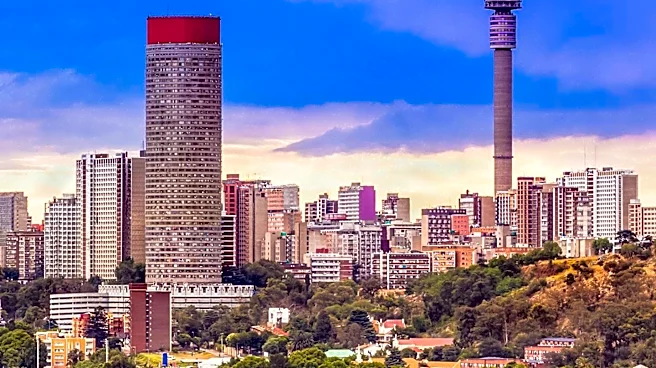
Johannesburg, South Africa's largest city by population, serves as a major financial and commercial center. It is recognized for its diverse urban landscape, encompassing museums, historical sites, and a vibrant arts scene. The city plays a significant
role in understanding South Africa's political history, economic development, and contemporary cultural life. Key attractions include its various museums, galleries, markets, and heritage sites, which offer a distinct perspective compared to the country's national parks and coastal regions. Johannesburg is also a primary base for expatriates, hosting several international schools with diverse curricula, including American, French, German, and British systems. The city's OR Tambo International Airport is a key travel hub, facilitating real-time arrivals and connecting Johannesburg to international destinations.
Why It's Important?
Johannesburg's status as a financial and commercial hub is crucial for South Africa's economy, driving significant business activities and attracting international investment. Its rich historical and cultural sites, such as those related to the anti-apartheid struggle in Soweto, provide vital educational and tourism opportunities, contributing to the national identity and reconciliation efforts. The presence of numerous international schools underscores Johannesburg's appeal to the expatriate community, fostering a diverse and globally connected workforce. This influx of international residents and businesses further solidifies the city's role as a gateway for broader African economic and cultural engagement, impacting various sectors from education to tourism and finance.
What's Next?
As a major urban center, Johannesburg is expected to continue its growth as a financial and cultural hub. The city's ongoing development will likely focus on enhancing its infrastructure, particularly around its international airport, to accommodate increasing travel and business demands. The international school sector will remain a key draw for expatriate families, potentially leading to further expansion and diversification of educational offerings. Continued efforts to preserve and promote its historical sites, such as those in Soweto, will likely attract more tourists, contributing to the local economy. The city's role as a starting point for wider African journeys suggests a future where Johannesburg strengthens its position as a continental gateway for both tourism and commerce.
Beyond the Headlines
Beyond its economic and cultural significance, Johannesburg embodies the complex narrative of South Africa's journey from apartheid to a multicultural democracy. The city's urban fabric, with its blend of modern financial districts and historically significant townships like Soweto, reflects ongoing societal transformations and challenges. The presence of diverse international communities and schools highlights the city's global integration and its role in fostering cross-cultural understanding. However, this rapid development also brings considerations regarding urban planning, social equity, and the preservation of historical memory. Johannesburg's evolution will continue to be a barometer for South Africa's progress in balancing economic growth with social inclusion and cultural heritage.