







What's Happening?
Rainforest Trust has announced a significant conservation achievement, surpassing 70 million acres of protected land worldwide. This milestone was reached just eight months after the organization hit the 60 million-acre mark, indicating an accelerated
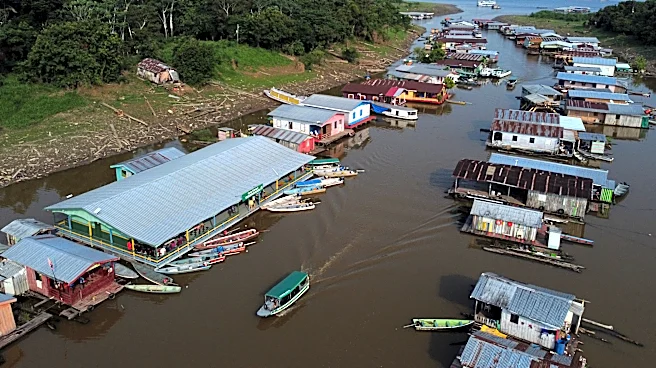
pace of conservation efforts. The project that pushed Rainforest Trust past 70 million acres is the newly designated Agua Dulce Municipal Wildlife Reserve in Baures, Bolivia. This reserve, established in partnership with Faunagua, protects nearly 715,000 acres and is home to 11 distinct vegetation types, over 70 mammal species, 489 bird species, 47 reptile and amphibian species, and 55 fish species. It serves as a crucial sanctuary for iconic wildlife such as Jaguars, Amazon River Dolphins, Giant Otters, Lowland Tapirs, and Black Caimans, while also ensuring ecological connectivity between Bolivia and Brazil.
Why It's Important?
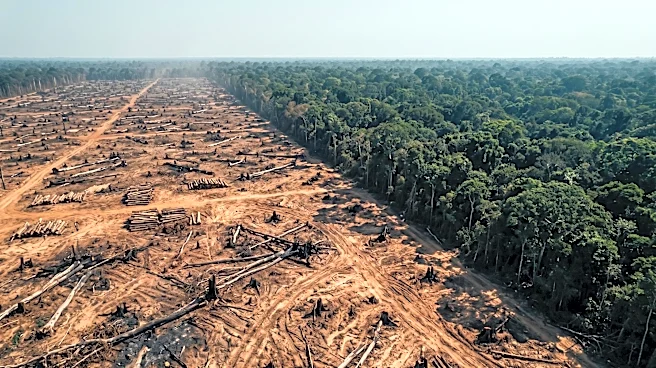
This achievement by Rainforest Trust is important for global biodiversity and climate change mitigation. Protecting vast tracts of rainforest directly contributes to preserving endangered species and their habitats, which are vital for maintaining ecological balance. The Amazon rainforest, in particular, plays a critical role as a carbon sink, absorbing significant amounts of carbon dioxide and helping to regulate global climate patterns. The rapid pace of protection, with 10 million acres secured in just eight months, demonstrates the urgency and effectiveness of collaborative conservation efforts. Such initiatives are crucial in the face of ongoing deforestation and habitat loss, which threaten countless species and exacerbate climate change. The establishment of transboundary conservation areas, like the Agua Dulce reserve, highlights the importance of international cooperation in addressing environmental challenges that span national borders.
What's Next?
Rainforest Trust and its partners are committed to continuing their efforts to protect the planet's most imperiled areas. With the global pledge to protect 30% of the planet by 2030, organizations like Rainforest Trust are focusing on safeguarding the most critical regions for biodiversity, ecosystems, and human communities. The success of the Agua Dulce project, achieved through a strategic alliance of local stakeholders and international conservation partners, provides a model for future initiatives. The organization will likely seek to replicate this collaborative approach, leveraging technical and financial support to foster local consensus and secure formal legal designations for new protected areas. Continued public support and partnerships will be essential to further accelerate the pace of conservation and meet ambitious global targets.
Beyond the Headlines
The protection of 70 million acres by Rainforest Trust goes beyond mere land preservation; it represents a commitment to safeguarding the intricate web of life that sustains our planet. These efforts have profound ethical and cultural dimensions, as they often involve working with Indigenous and local communities who are the traditional custodians of these lands. Their involvement is crucial for the long-term success and sustainability of conservation projects. Furthermore, the protection of rainforests has significant implications for global health, as these ecosystems are sources of potential new medicines and play a role in regulating disease outbreaks. The ongoing work of organizations like Rainforest Trust highlights the critical need for a holistic approach to conservation that integrates ecological science, community engagement, and international collaboration to address the complex challenges of biodiversity loss and climate change.